Inside the Luxury Villa of Rahimi Darabad, the First-Degree Defendant in the Chai Dabesh Case

Chapter 12: International Perspectives on Asset Recovery and Anti-Corruption
Global Frameworks and Conventions
Iran is a signatory to various international agreements aimed at combating corruption and facilitating asset recovery, including:
- The United Nations Convention against Corruption (UNCAC)
- The OECD Anti-Bribery Convention
These frameworks provide legal and procedural guidelines for cooperation among countries in tracing, freezing, and repatriating illicit assets.
Challenges in Asset Repatriation
Despite international cooperation mechanisms, several obstacles hinder asset recovery:
- Jurisdictional issues and sovereignty concerns
- Lack of transparency in ownership structures
- Difficulties in tracing assets held in offshore accounts or shell companies
- Political considerations and diplomatic relations
In the Darabad case, international cooperation could be instrumental if illicit assets are held abroad or through offshore entities.
Successful Examples and Lessons
Some countries have successfully recovered illicit assets through joint investigations and legal agreements. For instance:
- Nigeria’s recovery of funds looted by former officials
- The Swiss government’s cooperation with foreign authorities in asset repatriation
These examples underscore the importance of transparency, legal cooperation, and political will.
Role of International Organizations
Organizations like INTERPOL, the Financial Action Task Force (FATF), and the World Bank play vital roles in establishing standards, facilitating cooperation, and providing technical assistance to combat corruption globally.
September 20, 2025 | 3:43 pmMore stories

Coffee Under Fire: The Resilience of Café Culture in Tehran During Wartime
Introduction Tehran has always been a city of paradoxes—restless yet restrained, modern yet steeped in history. In times of war, … Continue reading ➝
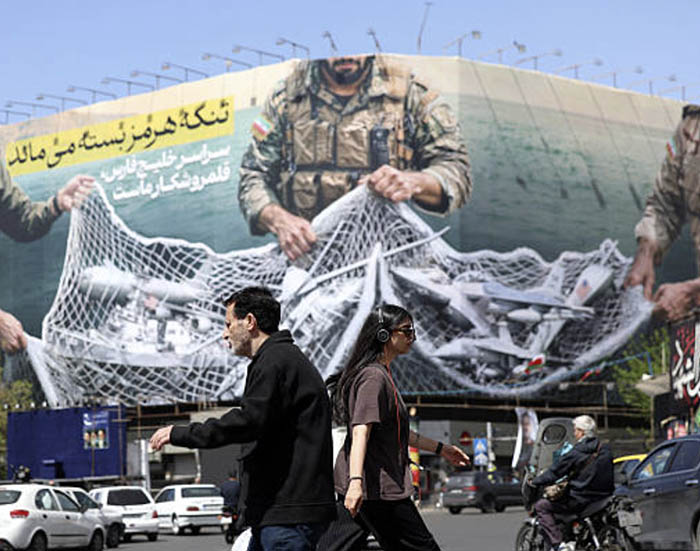
Strait of Hormuz Crisis 2026: Propaganda Posters in Enghelab Square
Introduction In the heart of Tehran, specifically at Enghelab Square, a massive propaganda banner has emerged as one of the … Continue reading ➝
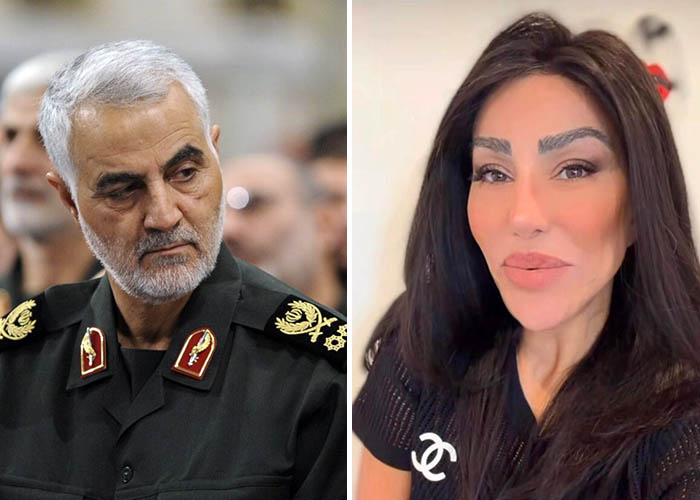
US State Department Arrests Relative of Qassem Soleimani: Immigration Crackdown, National Security Concerns
Introduction The recent announcement by the United States Department of State regarding the arrest and revocation of permanent residency for … Continue reading ➝
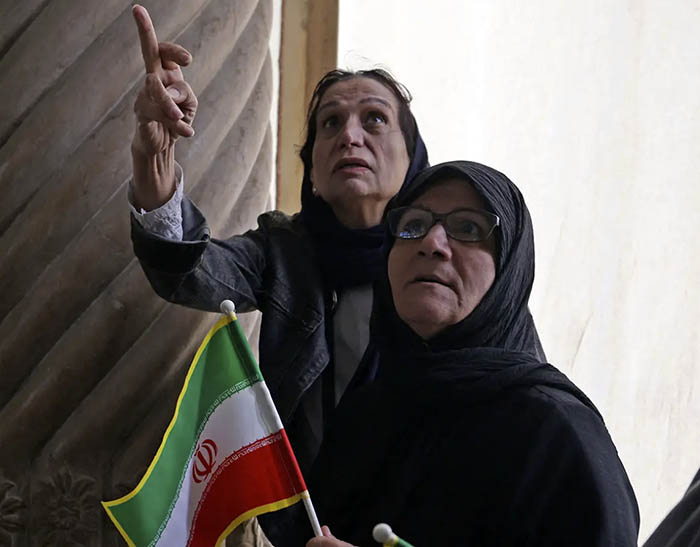
Damage to Golestan Palace Amid Iran–Israel–US Conflict: Cultural Heritage at Risk
Introduction The unfolding Iran–Israel–US conflict in 2026 has not only intensified geopolitical tensions in the Middle East but has also … Continue reading ➝
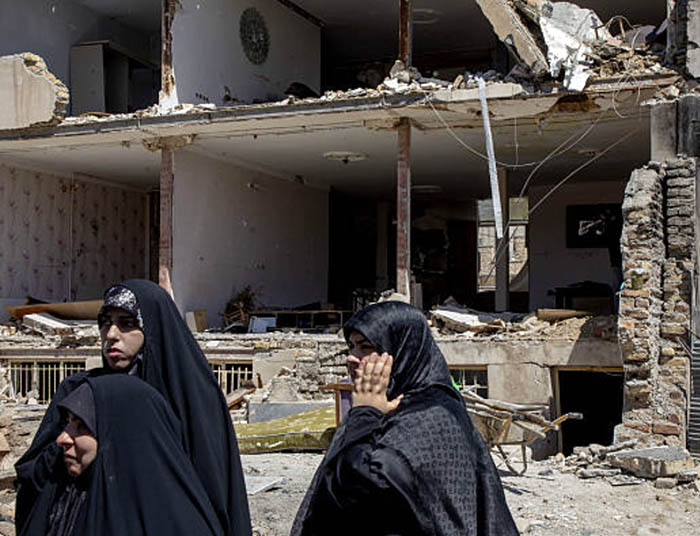
U.S.-Israeli Military Operations: Full Analysis of the 2026 Middle East Conflict
Introduction The escalating conflict involving United States, Israel, and Iran has rapidly evolved into one of the most dangerous geopolitical … Continue reading ➝