Inside the Luxury Villa of Rahimi Darabad, the First-Degree Defendant in the Chai Dabesh Case
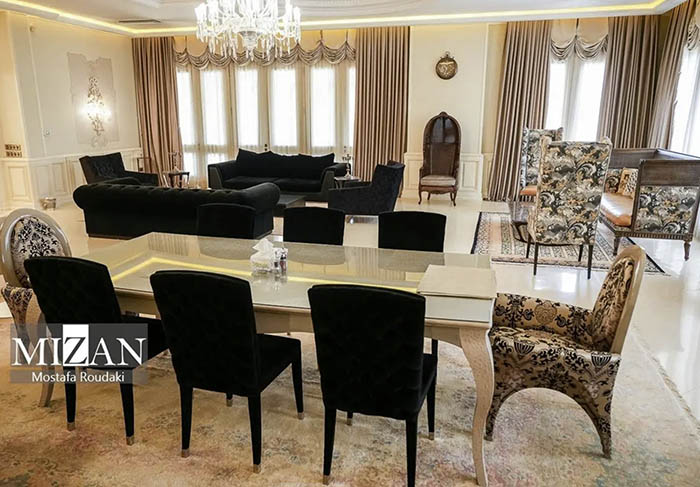
Chapter 11: The Societal Impact of Corruption Cases like Darabad’s Villa
Erosion of Public Trust
High-profile corruption cases involving luxurious assets, such as Darabad’s villa, tend to significantly erode public trust in government institutions and the rule of law. When wealthy individuals are perceived to evade accountability through political influence or legal loopholes, citizens become increasingly cynical about justice and fairness.
Social Discontent and Mobilization
The visible disparity between the lifestyles of corrupt elites and ordinary citizens fuels social discontent. This often manifests in protests, social media campaigns, and calls for reform. The Darabad case has been a catalyst for civil society activism, emphasizing demands for transparency and anti-corruption measures.
Impact on Economic Development
Corruption hampers economic growth by discouraging investment, distorting markets, and misallocating resources. The presence of illicit assets like luxury villas siphons off public funds that could otherwise be invested in infrastructure, healthcare, and education. Addressing these issues is vital for sustainable development.
Cultural and Ethical Considerations
Corruption cases challenge societal values, especially when they involve the flaunting of wealth acquired illicitly. They raise questions about morality, justice, and the social contract. Promoting ethical standards and integrity is essential for fostering a culture of accountability.
September 20, 2025 | 3:43 pmMore stories

Coffee Under Fire: The Resilience of Café Culture in Tehran During Wartime
Introduction Tehran has always been a city of paradoxes—restless yet restrained, modern yet steeped in history. In times of war, … Continue reading ➝
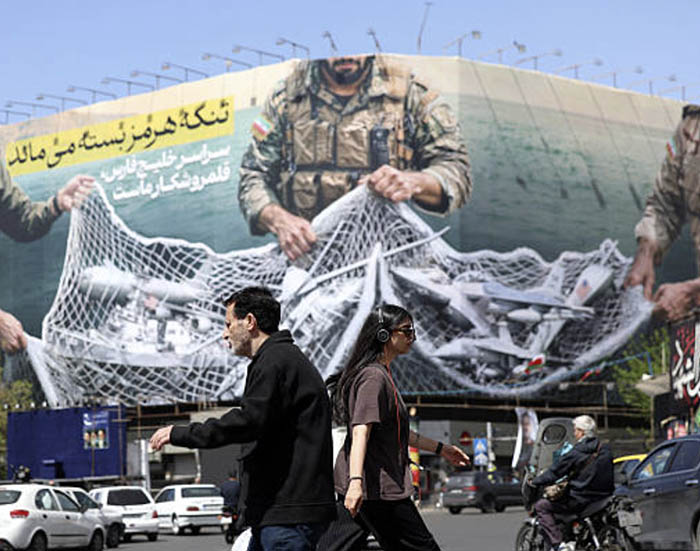
Strait of Hormuz Crisis 2026: Propaganda Posters in Enghelab Square
Introduction In the heart of Tehran, specifically at Enghelab Square, a massive propaganda banner has emerged as one of the … Continue reading ➝
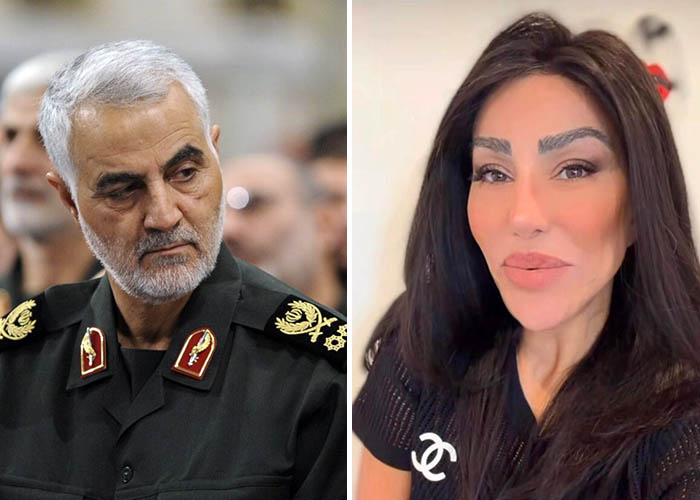
US State Department Arrests Relative of Qassem Soleimani: Immigration Crackdown, National Security Concerns
Introduction The recent announcement by the United States Department of State regarding the arrest and revocation of permanent residency for … Continue reading ➝
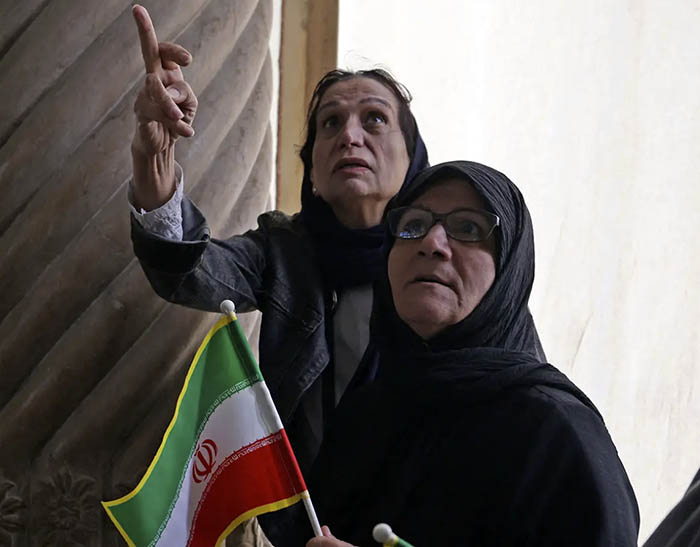
Damage to Golestan Palace Amid Iran–Israel–US Conflict: Cultural Heritage at Risk
Introduction The unfolding Iran–Israel–US conflict in 2026 has not only intensified geopolitical tensions in the Middle East but has also … Continue reading ➝
U.S.-Israeli Military Operations: Full Analysis of the 2026 Middle East Conflict
Introduction The escalating conflict involving United States, Israel, and Iran has rapidly evolved into one of the most dangerous geopolitical … Continue reading ➝