Inflation and Societal Anger: Understanding the Rising Tide of Economic and Social Unrest
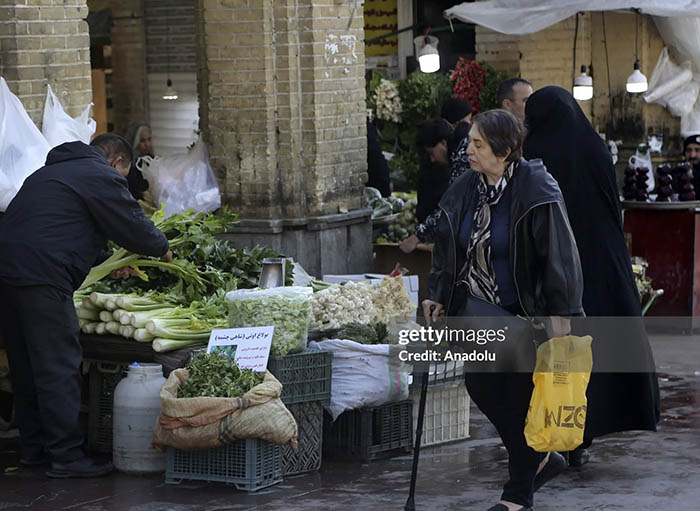
The Impact of Inflation on Society
Inflation, defined as the rate at which the general level of prices for goods and services rises, erodes the purchasing power of money. When inflation spirals out of control, it leads to a cost of living crisis, making everyday essentials—food, fuel, housing—unaffordable for many. The result is a society under economic stress, where disparities widen, and the divide between different socio-economic groups becomes more pronounced.
Economic Hardship and Poverty
High inflation disproportionately affects low-income households, pushing them further into poverty. Basic needs become luxuries, and families are forced to cut expenses, skip meals, or resort to borrowing. This economic hardship breeds frustration, helplessness, and anger, particularly when governments fail to provide effective relief measures.
Erosion of Savings and Investment Confidence
Inflation diminishes the value of savings, discouraging investment and savings among the populace. This financial insecurity fuels distrust in financial institutions and government policies, creating a cycle of economic instability.
February 16, 2026 | 7:35 pm