Homayoun Ershadi: A Legendary Actor’s Life, Career, and Legacy
The Cultural Roots of Isfahan
Born in 1947 in the ancient city of Isfahan—famous for its Persian architecture, intricate tile work, and cultural history—Homayoun Ershadi was immersed in a rich artistic environment from a young age. Isfahan’s renowned mosques, palaces, and bridges serve as a backdrop for countless stories, inspiring generations of artists, poets, and performers.
Growing up amid traditional Persian music, poetry, and storytelling, Ershadi developed an intrinsic understanding of Persian cultural identity. These early influences fostered a deep appreciation for artistic expression, which he carried into his later pursuits in architecture and acting.
Academic Pursuits in Italy
In the early 1960s, Ershadi pursued architecture at Ca’ Foscari University of Venice, one of Italy’s most distinguished institutions. His decision to study abroad was motivated by a desire to explore Western art and architecture, as well as to broaden his worldview beyond Iran.
Graduating in 1970, Ershadi gained exposure to European artistic traditions, Renaissance art, and modernist architecture, all of which enriched his aesthetic sensibility. His architectural background, characterized by a meticulous attention to detail and form, would later influence his approach to acting—particularly in understanding character development and visual storytelling.
Life in Iran and Canada
After completing his studies, Ershadi returned to Iran, where he initially worked as an architect. His professional life was rooted in Iran’s urban development and design projects, but his passion for the performing arts persisted.
In 1979, the Iranian Revolution dramatically transformed the country’s political and cultural landscape. Like many Iranians, Ershadi made the pivotal decision to emigrate, settling in Vancouver, Canada, with his wife. In Vancouver, he balanced his work as an architect with an active involvement in local theater and community arts groups, nurturing his love for acting and storytelling.
November 12, 2025 | 7:12 pmMore stories

Coffee Under Fire: The Resilience of Café Culture in Tehran During Wartime
Introduction Tehran has always been a city of paradoxes—restless yet restrained, modern yet steeped in history. In times of war, … Continue reading ➝
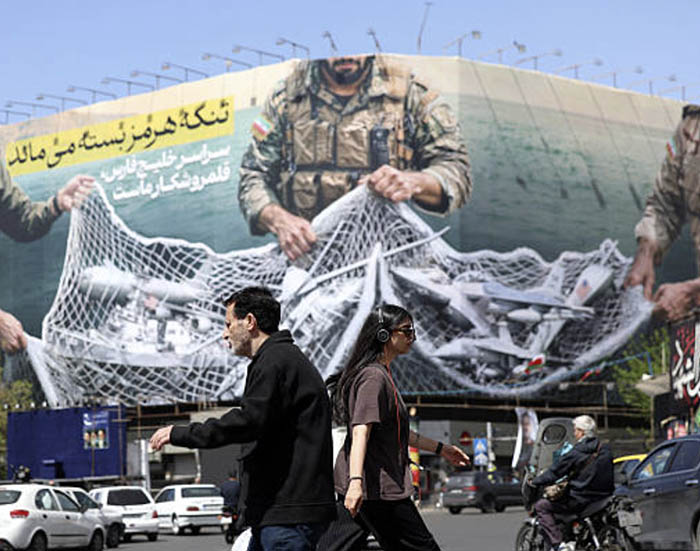
Strait of Hormuz Crisis 2026: Propaganda Posters in Enghelab Square
Introduction In the heart of Tehran, specifically at Enghelab Square, a massive propaganda banner has emerged as one of the … Continue reading ➝
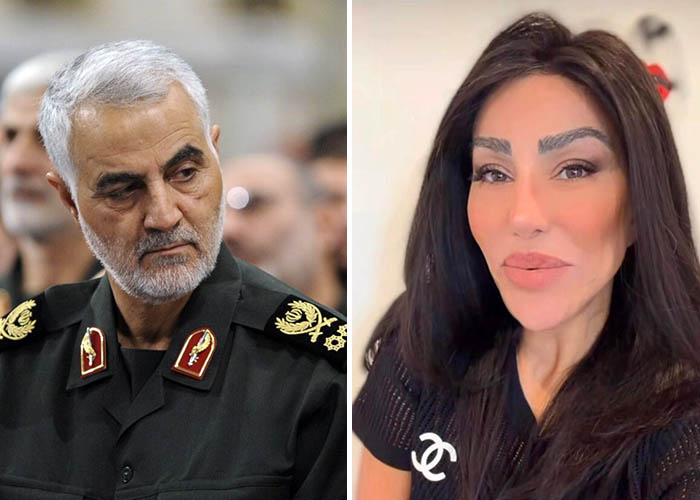
US State Department Arrests Relative of Qassem Soleimani: Immigration Crackdown, National Security Concerns
Introduction The recent announcement by the United States Department of State regarding the arrest and revocation of permanent residency for … Continue reading ➝
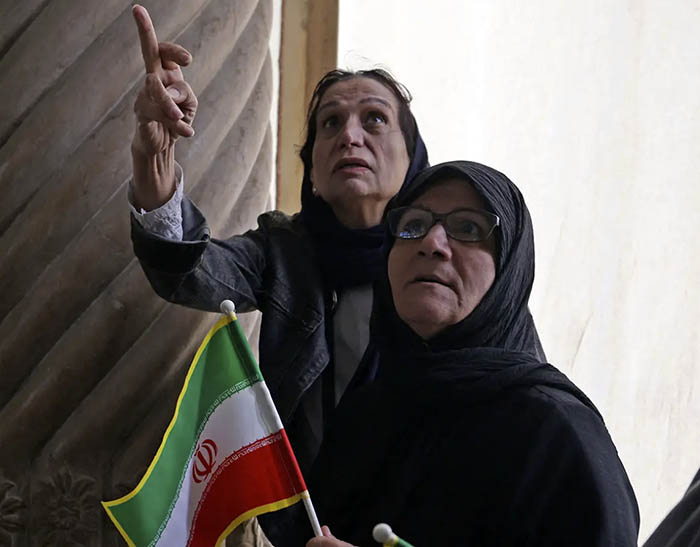
Damage to Golestan Palace Amid Iran–Israel–US Conflict: Cultural Heritage at Risk
Introduction The unfolding Iran–Israel–US conflict in 2026 has not only intensified geopolitical tensions in the Middle East but has also … Continue reading ➝
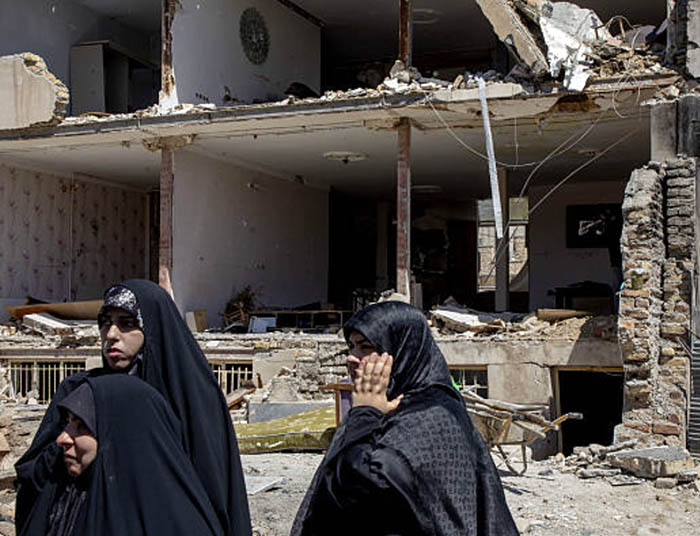
U.S.-Israeli Military Operations: Full Analysis of the 2026 Middle East Conflict
Introduction The escalating conflict involving United States, Israel, and Iran has rapidly evolved into one of the most dangerous geopolitical … Continue reading ➝