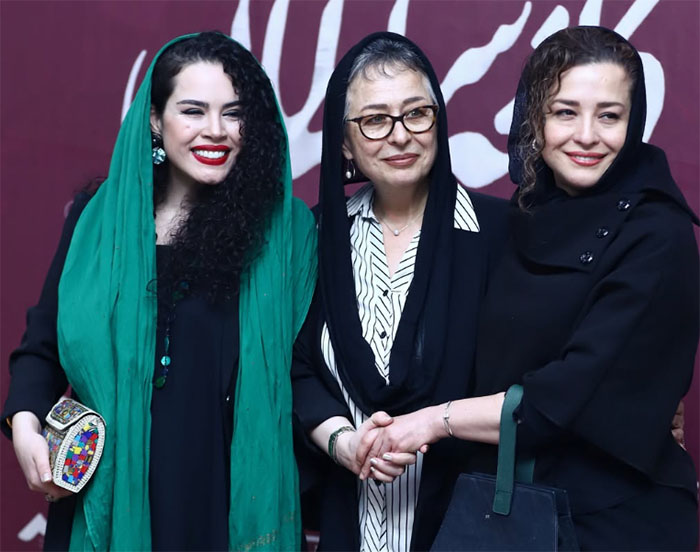
Golshifteh Farahani at Marjane Satrapi Funeral in Paris: Artists Remember the Legacy of Persepolis Creator
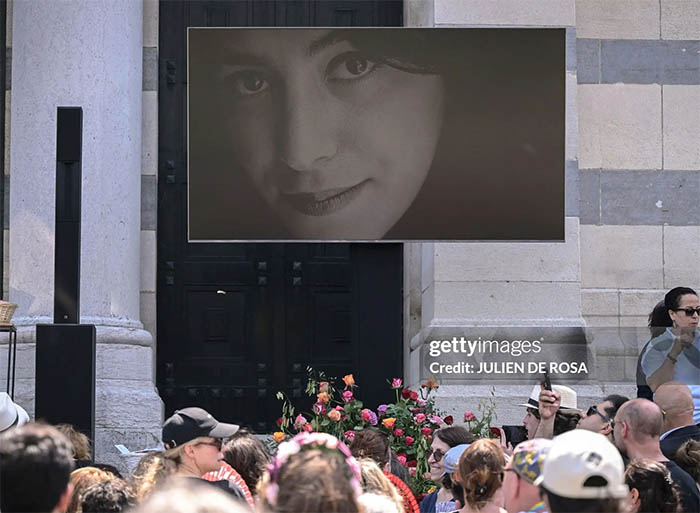
Golshifteh Farahani and the New Generation of Iranian Voices in Global Cinema
The presence of Golshifteh Farahani at Marjane Satrapi’s funeral ceremony in Paris represented the connection between two generations of Iranian artists who used creativity as a way to communicate experiences across borders. Both Satrapi and Farahani became internationally recognized figures who carried Iranian culture into global conversations through their artistic work.
Golshifteh Farahani’s career reflects a journey that has similarities with the themes often explored in Satrapi’s creations. Both artists experienced the challenges of being connected to Iran while building international careers. Their work has often been discussed in relation to identity, cultural expectations, freedom of expression, and the experience of living between different societies.
Farahani became known for her performances in Iranian cinema before gaining recognition in international films. Her talent and artistic choices allowed her to collaborate with filmmakers from different countries and become one of the most visible Iranian performers in world cinema.
Her attendance at Satrapi’s funeral was viewed by many as a meaningful tribute from one important Iranian artist to another. The ceremony brought together people who understood the importance of preserving stories and cultural memories.
For many Iranian artists abroad, Satrapi represented a model of creative independence. She demonstrated that artists could maintain a connection to their origins while creating work that speaks to audiences everywhere.
The relationship between Iranian culture and international cinema has always been complex. Iranian filmmakers, actors, writers, and visual artists have contributed greatly to world culture, often exploring themes that go beyond national borders.
Satrapi’s work became part of this larger artistic movement. Through her stories, she introduced audiences to personal and emotional aspects of Iranian life. Instead of focusing only on political events, she explored family relationships, dreams, fears, and personal choices.
Farahani’s career has similarly reflected the ability of artists to create connections between cultures. Her performances have allowed international audiences to experience different perspectives and understand characters shaped by diverse backgrounds.
June 19, 2026 | 8:43 pm