Golshifteh Farahani and Zar Amir Ebrahimi: A Deep Dive into Their Latest Works
Exploring Cultural Identity through Cinema and Literature
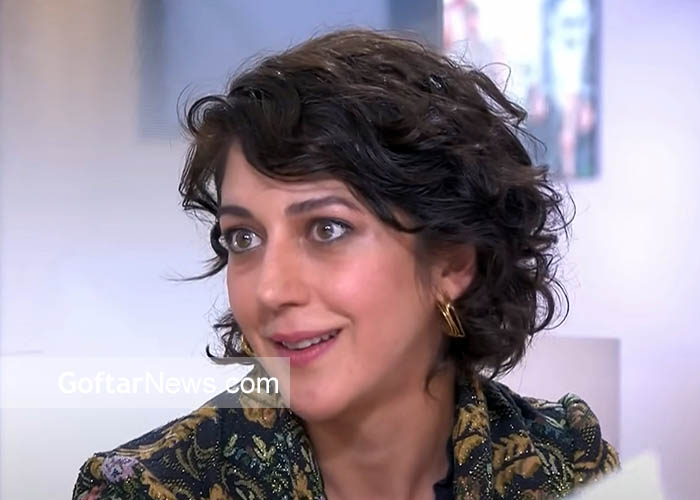
The interplay between cinema and literature is a powerful lens through which we can examine cultural identity. Both Golshifteh Farahani and Zar Amir Ebrahimi embody this complex dialogue in their work. Their individual experiences, shaped by diverse cultural backgrounds, allow them to portray a multifaceted view of identity that transcends borders.
The Persian Influence in Golshifteh’s Roles
As an Iranian actress, Golshifteh’s roles often reflect her rich cultural heritage. She is known for selecting projects that resonate deeply with her Iranian roots while challenging traditional narratives in cinema. Her portrayal of strong female characters in oppressive settings opens a conversation about the plight of women in patriarchal societies.
In “Lire Lolita à Téhéran,” Golshifteh navigates her character’s journey through the lens of literature and rebellion, illustrating how art can inspire resistance against tyranny. This film serves not only as a narrative about Iranian women but also as a universal story of courage, drawing in audiences who may not share the same cultural background but can relate to the themes of struggle and empowerment.
Zar Amir Ebrahimi’s Focus on Female Resilience
Zar Amir Ebrahimi’s roles frequently aim to spotlight female resilience in challenging environments. Her previous work and current projects, including “Lire Lolita à Téhéran,” continue to raise awareness about the issues women face, particularly in restrictive societies. Zar’s ability to embody nuanced emotions allows audiences to connect with her character’s trials and triumphs, fostering empathy and understanding.
Through her performances, Zar not only entertains but also educates viewers on the complexities of the female experience. In the interview, she emphasized the importance of creating a platform for women’s stories, citing the transformative potential of film and literature in evoking social change.
March 28, 2025 | 6:24 pmMore stories
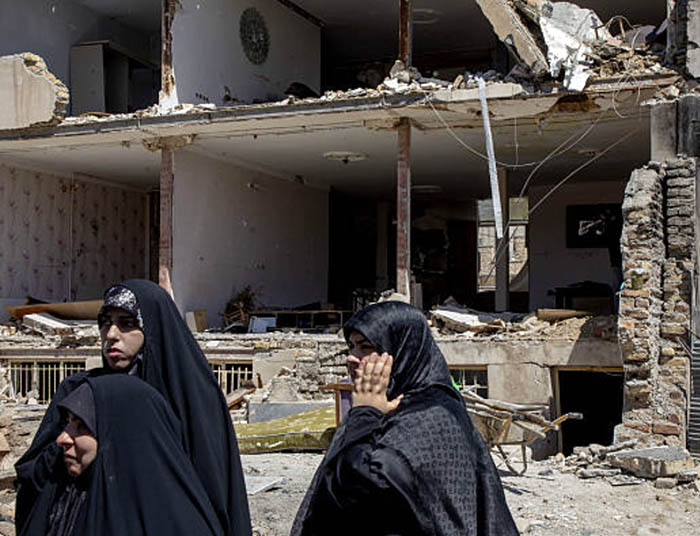
U.S.-Israeli Military Operations: Full Analysis of the 2026 Middle East Conflict
Introduction The escalating conflict involving United States, Israel, and Iran has rapidly evolved into one of the most dangerous geopolitical … Continue reading ➝
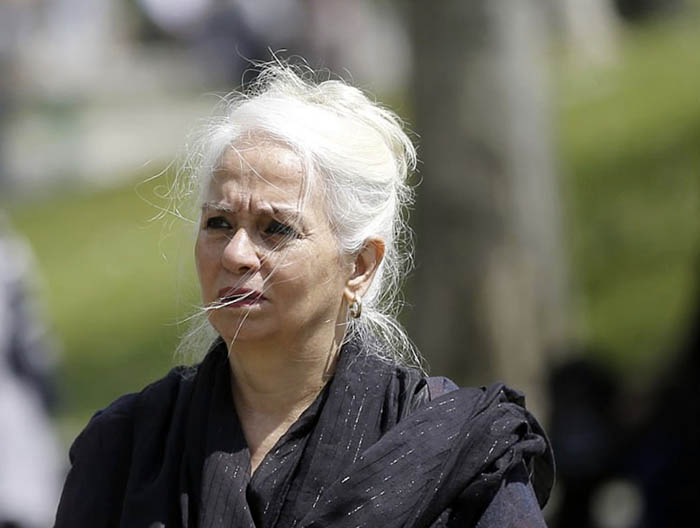
13 Bedar in Tehran: Celebrating Life on the Frontline of War
Introduction In the heart of Tehran, where headlines often speak of geopolitical tension, military escalation, and uncertainty, a different story … Continue reading ➝
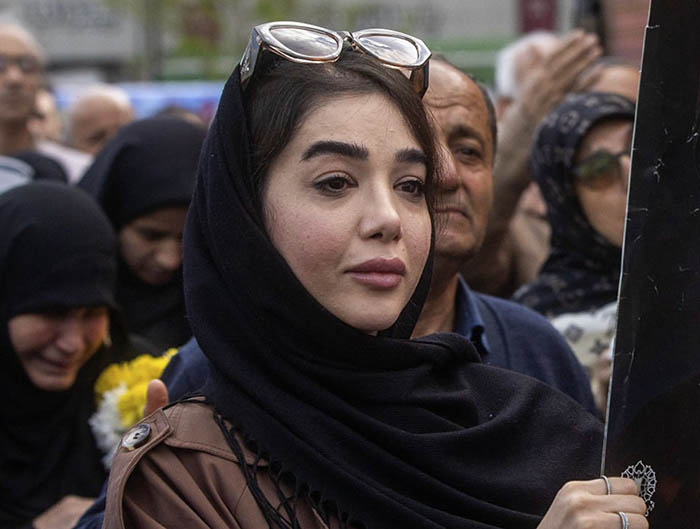
A Mournful Face at Tangsiri’s Funeral: Grief, Power, and Tension in Tehran
Introduction The image of a mournful face at the funeral of Alireza Tangsiri has become one of the most haunting … Continue reading ➝
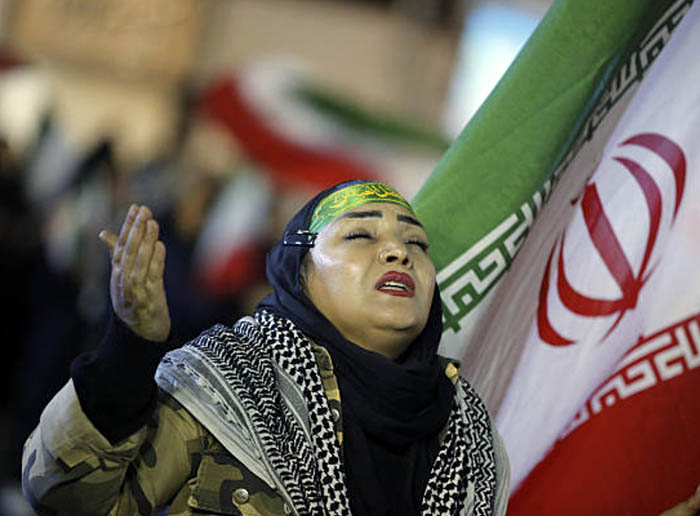
Israeli and U.S. Attacks on Spark Mass Protests in Tehran: Rising Middle East Tensions in 2026
Introduction In a dramatic escalation of tensions in the Middle East, mass protests erupted in Tehran following reports of coordinated … Continue reading ➝
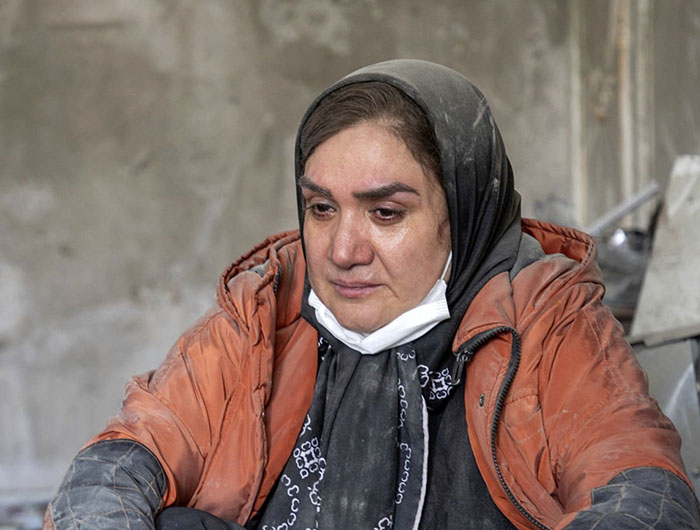
The Sorrow of Destruction in West Tehran: Inside the Human Cost of the War
Introduction The city of Tehran woke to devastation on March 30, 2026. In the western districts of Iran’s capital, residential … Continue reading ➝