Global Anti-American Sentiment and Political Protest Movements: A Comprehensive Analysis
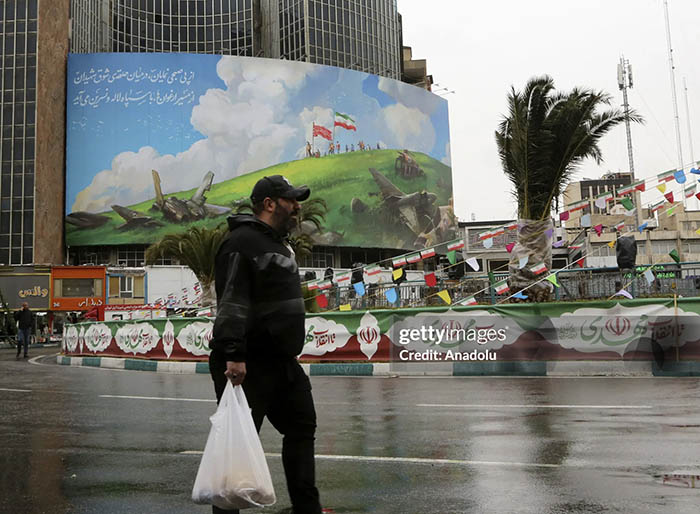
The Rise of Anti-American Sentiment Worldwide
Historical Context
Anti-American sentiment has deep historical roots, dating back to the Cold War era when the United States was perceived as a superpower exerting influence over global affairs. Various incidents, foreign policies, military interventions, and economic sanctions have fueled resentment in different parts of the world.
Factors Contributing to Anti-Americanism
- Foreign Policy and Military Interventions: US involvement in conflicts such as Vietnam, Iraq, Afghanistan, and interventions in Middle Eastern countries have generated widespread resentment.
- Economic Policies and Sanctions: US-imposed sanctions and trade policies often negatively impact local economies, fueling anti-American protests.
- Cultural Influence: The spread of American culture through media, fast food, and technology is sometimes viewed as cultural imperialism.
- Political Support for Oppressive Regimes: US support for authoritarian regimes or controversial governments has also contributed to anti-US sentiments.
The Role of Media and Social Media
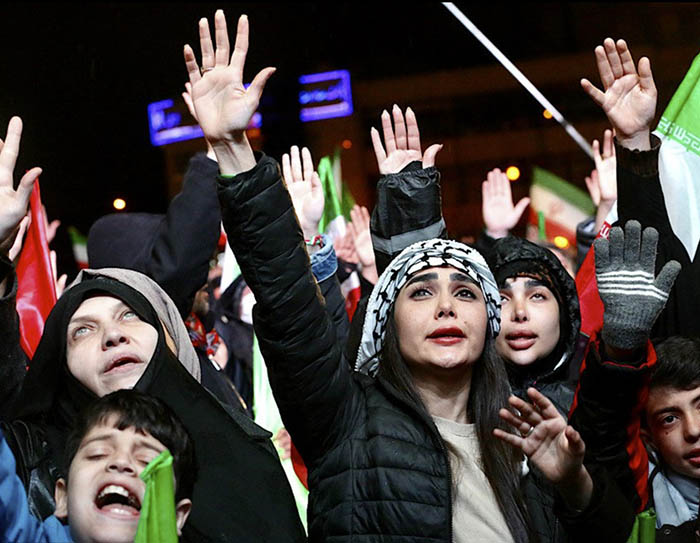
The proliferation of social media platforms has amplified anti-American narratives, enabling protesters to organize and spread their messages rapidly. Hashtags, viral videos, and online campaigns have played crucial roles in mobilizing protests worldwide.
February 4, 2026 | 9:32 pm