Who is Fouad Izadi? Unpacking the Background and Controversies of the Broadcasting Corporation
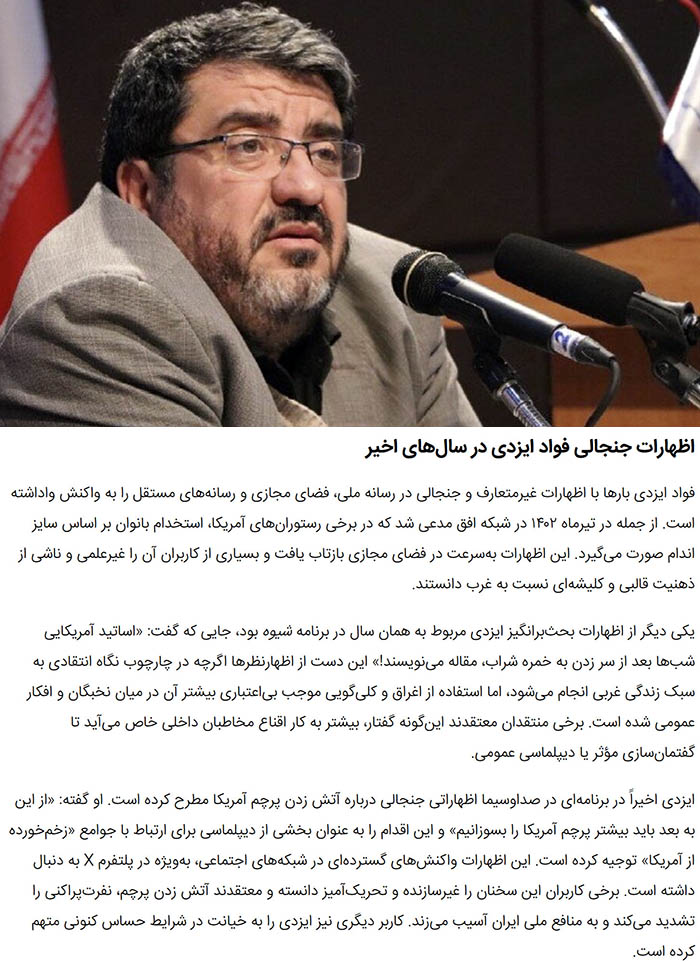
Fouad Izadi and Public Diplomacy: A Contradictory Approach?
The fact that Fouad Izadi has written books and articles in the field of public diplomacy is another interesting point. Public diplomacy, broadly defined, involves a country’s efforts to communicate directly with foreign publics to establish a dialogue designed to inform and influence them. It often aims to build understanding and positive relationships.
Given his role as a harsh critic of the West and his controversial statements, Izadi’s approach in the media seems to contradict the principles of traditional public diplomacy, which typically emphasizes building bridges and fostering mutual understanding. His rhetoric, often seen as inflammatory and based on generalizations, is more likely to alienate rather than engage foreign publics, particularly in the West.
Perhaps his understanding of “public diplomacy” is framed within a different context – one focused on mobilizing domestic support through a strong anti-Western narrative, or perhaps aiming to influence specific segments of foreign populations who are already critical of Western policies. However, from a conventional perspective, his public pronouncements appear to be counterproductive to building positive international relations.
This raises questions about the nature of “public diplomacy” as practiced or advocated by individuals like Izadi within the Iranian context. Is it about genuine engagement, or is it primarily a tool for internal political messaging and reinforcing existing ideological divides?
The Impact on IRIB’s Credibility: When Experts Become Advocates
Fouad Izadi’s prominent role on the Iranian Broadcasting Corporation (IRIB) and the controversies surrounding his statements and affiliations have significant implications for the credibility of the state media itself. IRIB is often criticized for being a mouthpiece for the government and lacking impartiality. The consistent presence of experts like Izadi, whose analyses are perceived as heavily aligned with specific political factions and ideological viewpoints, reinforces this perception.
When an “expert” on a program designed for public discussion appears to be acting as an advocate for a particular political candidate or viewpoint, it erodes the public’s trust in the neutrality of the information being presented. The incident during the presidential election roundtable, where Izadi’s question to Saeed Jalili was widely seen as promotional, is a prime example of how the line between expert analysis and political advocacy can become dangerously blurred on state media.
This blurring of lines can have several negative consequences:
- Reduced Public Trust: Audiences may become skeptical of the information presented on IRIB, questioning its objectivity and reliability.
- Polarization: Presenting analysis that is heavily biased towards one political viewpoint can contribute to political polarization within society.
- Limited Discourse: When experts are perceived as advocates, it can stifle genuine critical discussion and limit the range of perspectives presented on important issues.
- Damage to the Reputation of Experts: The association with biased media platforms can damage the reputation of academics and experts who participate, making it difficult for them to be seen as independent voices.
The case of Fouad Izadi highlights the challenges faced by state media in maintaining credibility when featuring individuals whose public personas and affiliations are perceived as heavily intertwined with specific political agendas.
The Significance of “Tech Neck” and Other Modern Concerns in Neck Aging
While the provided article primarily focuses on the biological reasons for accelerated neck aging and traditional skincare tips, it briefly mentions the concept of “tech neck” lines. This modern phenomenon underscores how lifestyle habits can significantly impact the aging process of the neck.
The act of constantly looking down at smartphones, tablets, and computers creates repetitive folding of the skin on the neck, leading to the formation and deepening of horizontal lines. This, combined with the natural loss of collagen and elastin, can accelerate the visible signs of aging in this area.
Beyond “tech neck,” other modern lifestyle factors can also contribute:
- Poor Sleep Posture: Sleeping in positions that repeatedly fold or compress the neck skin can contribute to wrinkles over time.
- Environmental Pollution: Exposure to pollutants can generate free radicals, contributing to premature skin aging.
- Stress: Chronic stress can have negative impacts on overall skin health and its ability to repair itself.
More stories
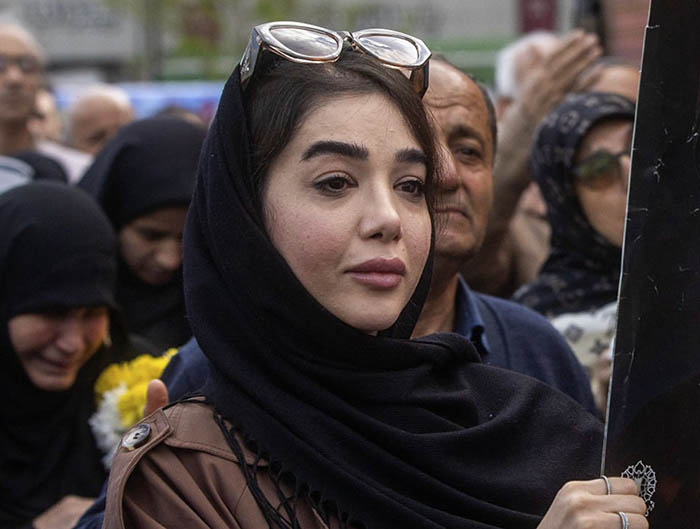
A Mournful Face at Tangsiri’s Funeral: Grief, Power, and Tension in Tehran
Introduction The image of a mournful face at the funeral of Alireza Tangsiri has become one of the most haunting … Continue reading ➝
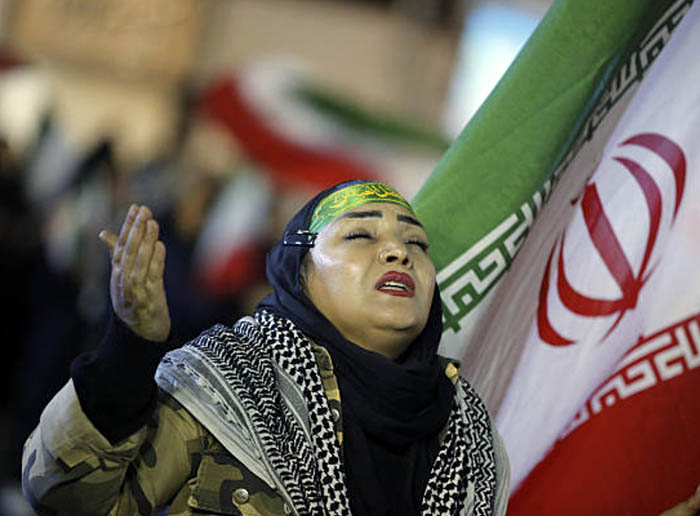
Israeli and U.S. Attacks on Spark Mass Protests in Tehran: Rising Middle East Tensions in 2026
Introduction In a dramatic escalation of tensions in the Middle East, mass protests erupted in Tehran following reports of coordinated … Continue reading ➝
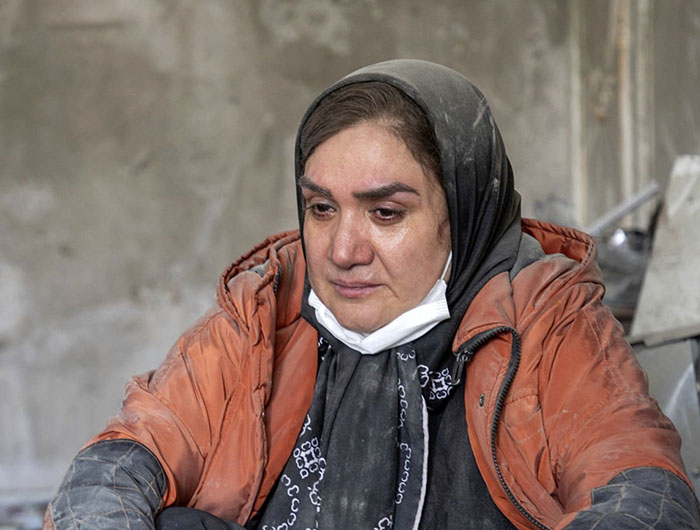
The Sorrow of Destruction in West Tehran: Inside the Human Cost of the War
Introduction The city of Tehran woke to devastation on March 30, 2026. In the western districts of Iran’s capital, residential … Continue reading ➝
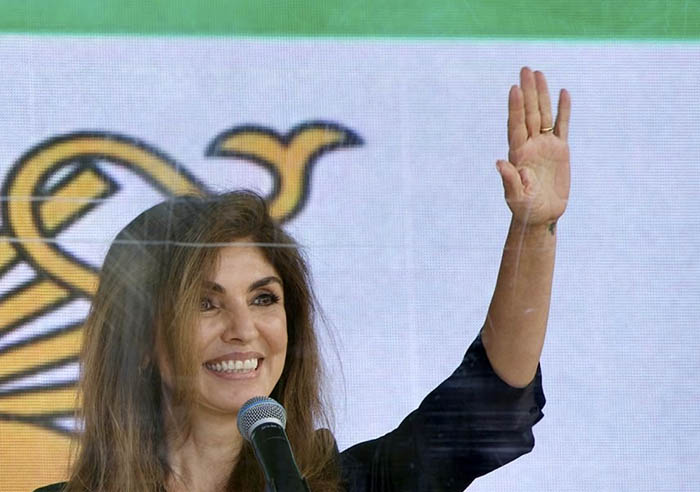
US–Israel–Iran War Demonstration in Washington, DC: Iranian Diaspora Rally for Freedom
Introduction On March 29, 2026, thousands gathered on the National Mall in Washington, DC near the iconic US Capitol to … Continue reading ➝
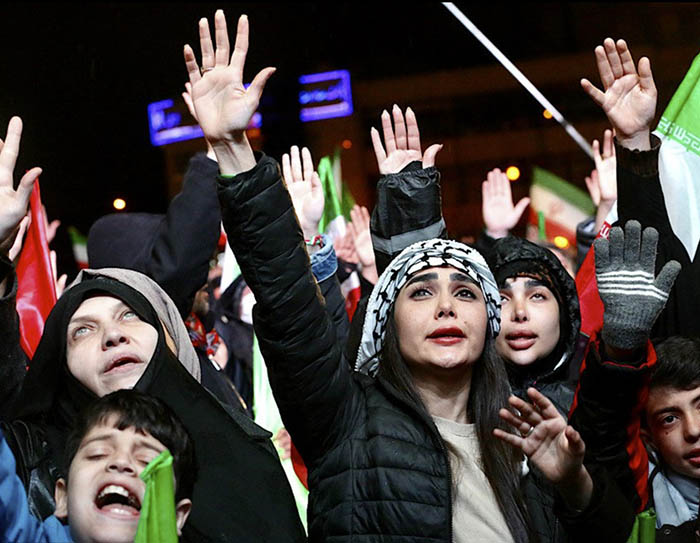
Night Gatherings in Tehran During Wartime in Vanak and the Transformation of Urban Space
Introduction Night gatherings in Tehran during wartime have become a significant aspect of urban life, particularly in central districts such … Continue reading ➝