Esmaeil Baghaei’s Insights on Foreign Policy Amid Current Regional Tensions
In Yemen the conflict has similarly drawn Iran into a contentious relationship with Saudi Arabia which views Iranian support for the Houthi rebels as a direct challenge to its influence in the Arabian Peninsula Baghaei has defended Iran’s role in Yemen framing it as a response to Saudi aggression and a legitimate expression of support for oppressed groups He argues that the humanitarian crisis in Yemen is exacerbated by Saudi-led interventions and that Iran’s involvement is aimed at promoting peace and stability in the region.
Iran’s Foreign Policy Objectives
Iran’s foreign policy is guided by several core objectives which include the preservation of national sovereignty the promotion of regional stability and the enhancement of Iran’s influence on the global stage These objectives are often articulated by Baghaei during his press conferences where he emphasizes the need for a balanced approach that respects the rights of all nations.
One of the primary goals of Iran’s foreign policy is to counteract the influence of the United States and its allies in the region The legacy of the 1979 Islamic Revolution continues to shape Iran’s worldview as the country seeks to assert its independence and resist what it perceives as Western hegemony Baghaei has frequently highlighted the importance of self-reliance and resilience in the face of external pressures particularly in light of the sanctions imposed by the United States which have had a profound impact on Iran’s economy.
In addition to countering external threats Iran aims to foster a sense of unity among Shiite communities across the Middle East This objective is evident in Iran’s support for groups such as Hezbollah in Lebanon and various Shiite militias in Iraq Baghaei has articulated the view that Iran’s support for these groups is rooted in a shared religious and cultural identity and that their empowerment is essential for countering Sunni extremism and promoting stability in the region.
Esmaeil Baghaei’s Role and Responsibilities
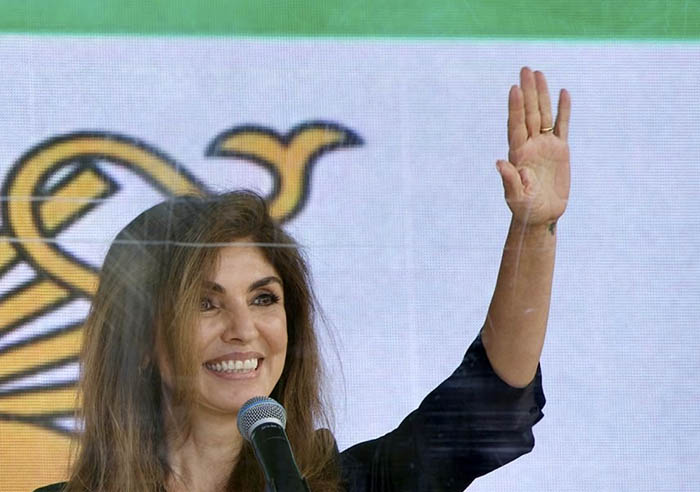
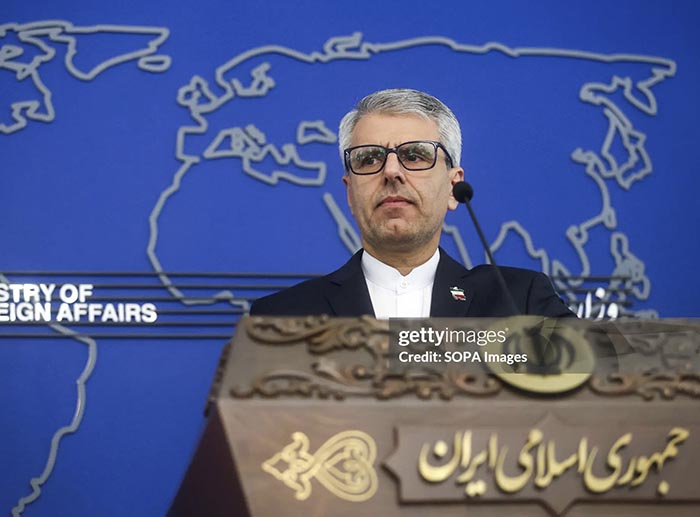
As the spokesperson for Iran’s Foreign Ministry Baghaei occupies a crucial position in shaping the narrative surrounding Iran’s foreign policy His role involves not only communicating the government’s positions but also addressing the concerns of both domestic and international audiences His background in diplomacy equips him with the skills necessary to navigate the complexities of international relations and to articulate Iran’s interests effectively.
Baghaei’s communication style is characterized by a blend of assertiveness and diplomacy He often employs a firm tone when addressing perceived injustices against Iran while also expressing a willingness to engage in dialogue with other nations This dual approach reflects the broader strategy of the Iranian government which seeks to balance its assertive foreign policy with the need for diplomatic engagement.
In his press conferences Baghaei frequently emphasizes the importance of multilateralism and regional cooperation He advocates for dialogue among nations as a means of resolving conflicts and promoting stability in the Middle East This perspective aligns with Iran’s broader foreign policy objectives which prioritize collaboration over confrontation.