Esmaeil Baghaei’s Insights on Foreign Policy Amid Current Regional Tensions
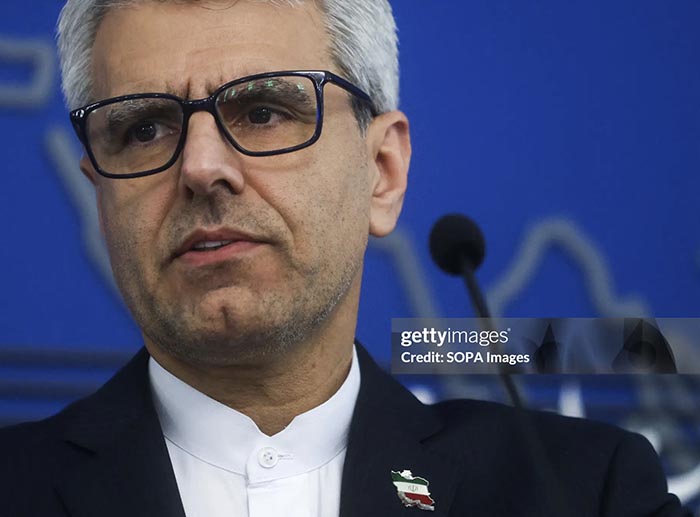
Baghaei’s insights extend beyond immediate geopolitical concerns to encompass broader themes related to Iran’s identity and role in the world He often emphasizes the importance of regional cooperation and dialogue as essential components of a stable and secure Middle East In his view Iran has a vital role to play in fostering peace and stability in the region and he advocates for a multilateral approach to addressing the challenges facing the Middle East This perspective is rooted in a belief that no single country can unilaterally dictate the terms of regional security and that collaborative efforts are necessary to achieve lasting solutions.
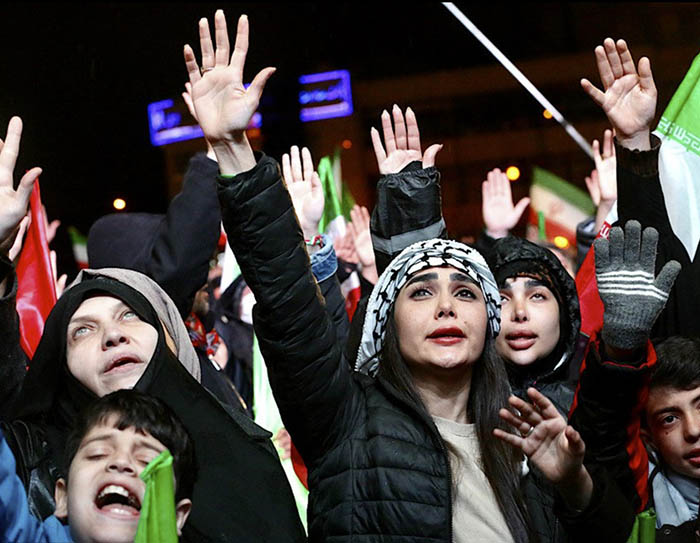
The public perception of Iran’s foreign policy is also a critical factor influencing Baghaei’s communications His statements are often framed within the context of domestic expectations and the need to maintain public support for the government’s foreign policy initiatives He is acutely aware of the impact that external pressures and sanctions have on the Iranian populace and he frequently addresses these concerns in his press conferences By highlighting the resilience of the Iranian people and their capacity to withstand adversity Baghaei seeks to bolster national pride and solidarity in the face of external challenges.
Iran’s Relations with Major Powers
The dynamics of Iran’s relationships with major global powers are critical to understanding its foreign policy The relationship with the United States remains one of the most contentious aspects of Iran’s foreign policy landscape Following the U.S. withdrawal from the nuclear deal in 2018 tensions escalated significantly leading to a series of confrontations in the Persian Gulf and beyond Baghaei has consistently called for a return to diplomacy emphasizing that meaningful negotiations must be based on mutual respect and recognition of Iran’s rights
In contrast to its fraught relationship with the United States Iran has sought to strengthen its ties with Russia and China These relationships are viewed as strategic partnerships that can help counterbalance U.S. influence in the region Baghaei has highlighted the importance of these alliances in promoting regional security and stability particularly in the context of shared interests in combating terrorism and addressing economic challenges.
The European Union has also played a role in Iran’s foreign policy calculus as European nations have expressed a desire to maintain the nuclear deal and engage with Iran diplomatically Baghaei has welcomed European efforts to facilitate dialogue while also expressing frustration over the lack of concrete actions to lift sanctions and support Iran’s economy.
Public Perception and Domestic Influences
The domestic context in which Iran’s foreign policy operates is crucial to understanding the motivations behind Baghaei’s statements Public perception plays a significant role in shaping the government’s foreign policy decisions and Baghaei is acutely aware of the need to maintain public support for the government’s initiatives His communications often reflect an understanding of the challenges faced by the Iranian populace particularly in light of economic hardships exacerbated by sanctions.
By framing Iran’s foreign policy as a struggle against external aggression Baghaei seeks to bolster national pride and solidarity among the Iranian people He emphasizes the resilience of the Iranian nation in the face of adversity and calls for unity in support of the government’s foreign policy objectives This narrative resonates with many Iranians who view their country as a defender of sovereignty and dignity in a hostile international environment.
January 6, 2026 | 5:40 am