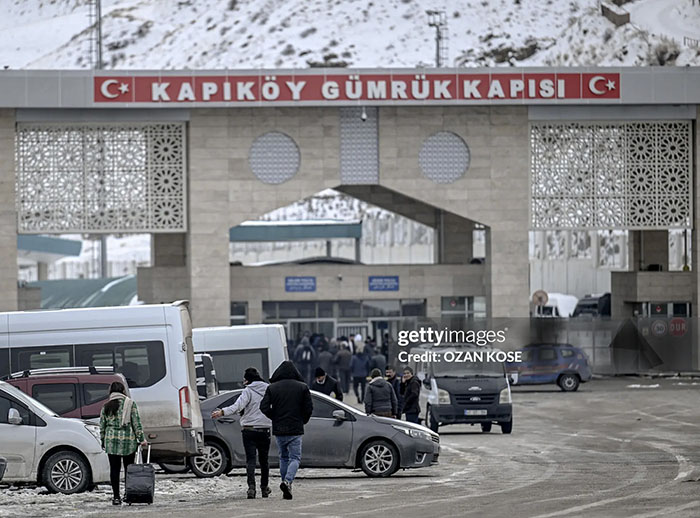
Turkey-Iran-US Tensions in 2026: Escalating Geopolitical Crisis in the Middle East
The Role of Key Regional and Global Actors
1. Israel’s Perspective and Security Concerns
Israel views Iran’s nuclear advancements and regional influence as existential threats. In 2026, Israel has increased its alert status, conducting military exercises and intelligence operations targeting Iranian facilities and proxies. Prime Minister Benjamin Netanyahu has repeatedly emphasized the necessity of preemptive action should Iran’s nuclear program threaten regional or global security.
Israel’s policy remains rooted in preventing Iran from acquiring nuclear weapons, which could destabilize the Middle East further. The possibility of Israeli strikes on Iranian nuclear sites remains on the table, albeit with significant regional and global repercussions.
2. European Union’s Diplomatic Efforts
The European Union has attempted to mediate through diplomatic channels, urging both Iran and the US to return to negotiations and avoid military escalation. EU leaders have called for renewed commitments to the Iran nuclear deal (JCPOA), emphasizing diplomacy over conflict.
However, internal divisions within the EU, differing national interests, and varying degrees of engagement with Iran complicate unified action. Nonetheless, the EU continues to push for an urgent diplomatic solution to prevent a regional catastrophe.
3. China and Russia’s Evolving Roles
China and Russia are positioning themselves as key players capable of influencing the outcome. China advocates for diplomatic engagement and economic cooperation, offering incentives to Iran and encouraging restraint among Western powers.
Russia, on the other hand, has historically maintained close ties with Iran and has called for respect for Iran’s sovereignty. Moscow has increased its military and diplomatic engagement in the region, seeking to expand its influence and counterbalance US and NATO presence.
Both powers’ involvement underscores the global stakes and the potential for the crisis to evolve into a broader geopolitical contest.
January 31, 2026 | 5:00 pmMore stories
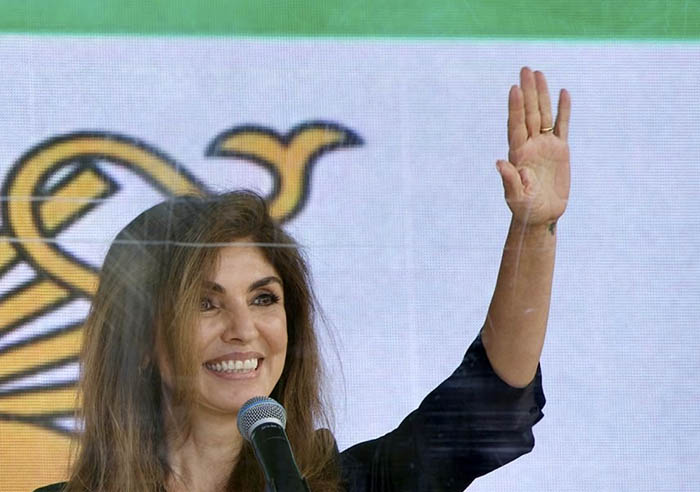
US–Israel–Iran War Demonstration in Washington, DC: Iranian Diaspora Rally for Freedom
Introduction On March 29, 2026, thousands gathered on the National Mall in Washington, DC near the iconic US Capitol to … Continue reading ➝
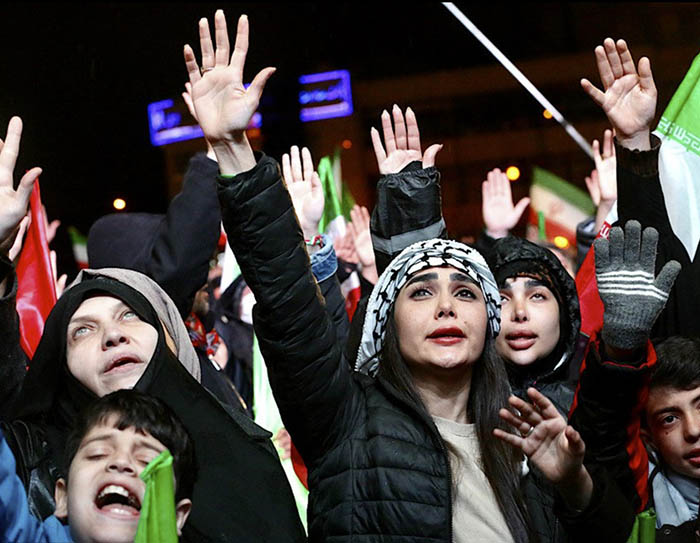
Night Gatherings in Tehran During Wartime in Vanak and the Transformation of Urban Space
Introduction Night gatherings in Tehran during wartime have become a significant aspect of urban life, particularly in central districts such … Continue reading ➝
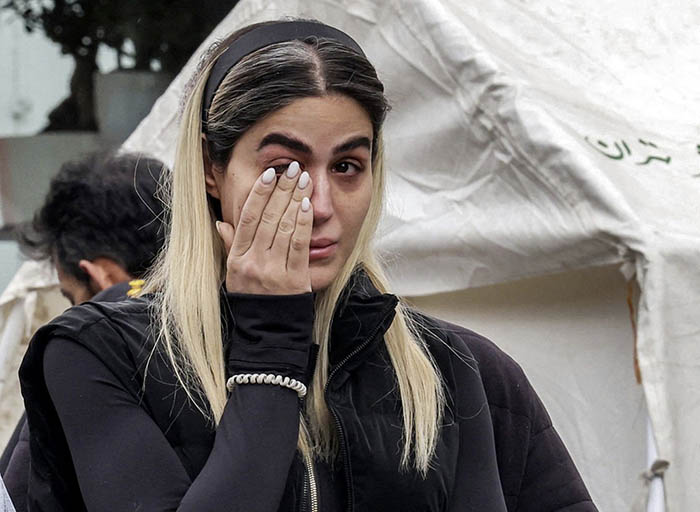
Missile Strike on Al-Arabi TV Office in Tehran Amid Escalating Iran–Israel Conflict
Introduction The rapidly escalating tensions in the Middle East reached a dramatic and alarming turning point as a missile strike … Continue reading ➝
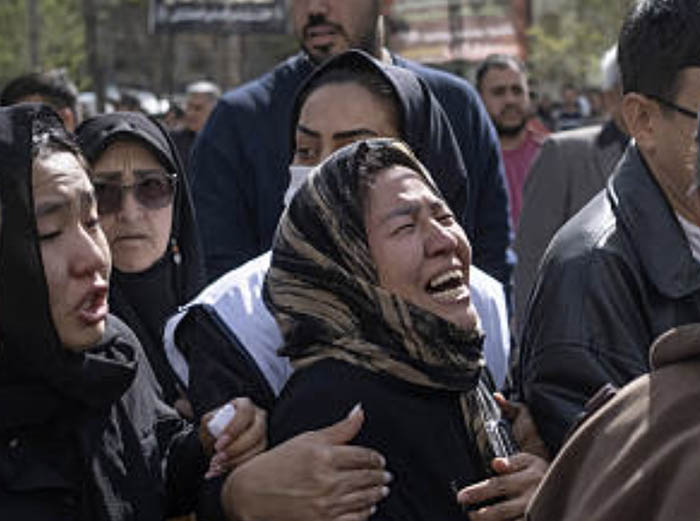
Despair in Afghan Neighborhood in Southern Tehran After Devastating Bombing
Introduction The narrow streets of an Afghan neighborhood in southern Tehran have fallen into a silence that feels heavier than … Continue reading ➝
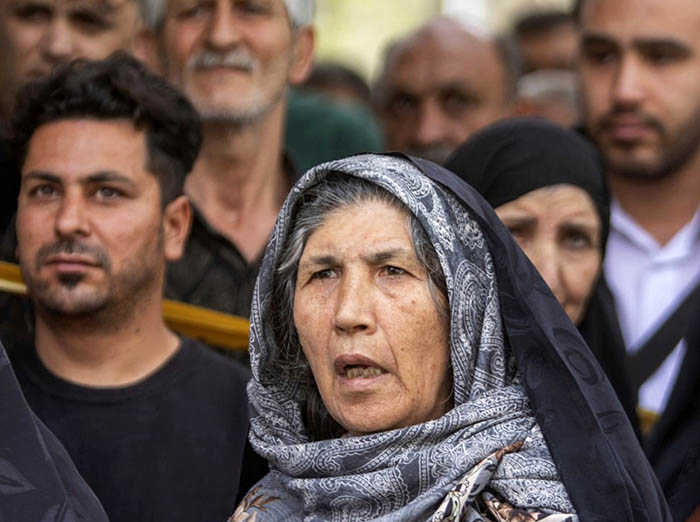
Residents in Shock After Missile Strikes Devastate Homes in Ray Amid Escalating War
Introduction Residents of Ray, a historic city just south of Tehran, woke to scenes of devastation and disbelief after midnight … Continue reading ➝