Economic Turmoil: Understanding the Rise in Edible Oil Prices Amidst Inflation and Sanctions
Impact on Daily Life
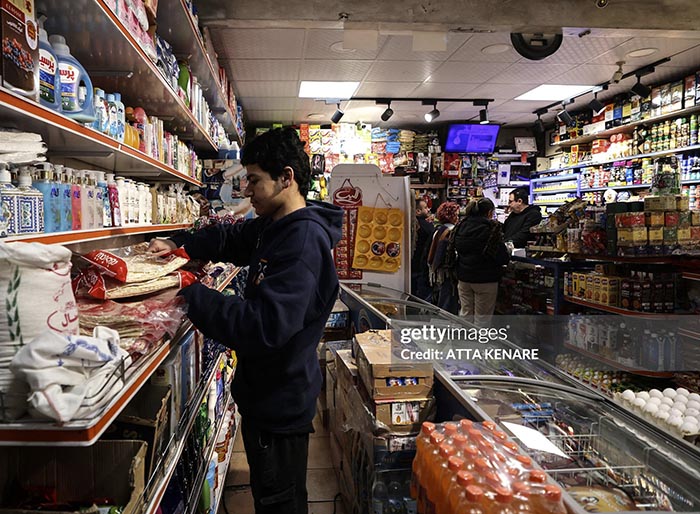
The rising prices of edible oil and other essential goods have had a profound impact on the daily lives of Iranians. As families struggle to adapt to the changing economic landscape, many are forced to make difficult choices regarding their spending habits.
Effects on Household Budgets
For many households, the increase in food prices has led to a reevaluation of budgets. Families are cutting back on non-essential items, prioritizing basic needs like food and shelter. A recent survey indicated that over 70% of respondents reported reducing their spending on discretionary items, such as clothing and entertainment, to accommodate rising food costs. This shift in spending habits reflects a broader trend of economic tightening, where families must navigate a landscape of scarcity.
The Cultural Significance of Edible Oil
Edible oil is not just a cooking ingredient in Iran; it is a cultural staple that plays a vital role in traditional cuisine. Dishes such as khoresh (stew) and various types of rice require oil for preparation, making it an integral part of daily meals. The rising costs have forced families to alter their cooking practices, with some resorting to using less oil or seeking alternative cooking methods. This shift not only affects dietary habits but also impacts cultural traditions and family gatherings centered around food.
Coping Strategies Employed by Families
In the face of rising prices, many families have developed coping strategies to manage their limited resources. Some have turned to community networks, sharing resources and bulk buying to reduce costs. Others have sought out local markets or smaller vendors, where prices may be slightly lower than in larger supermarkets. Additionally, there has been a resurgence of traditional cooking practices, as families attempt to make meals from scratch rather than relying on processed foods, which are often more expensive.
January 7, 2026 | 10:08 amMore stories
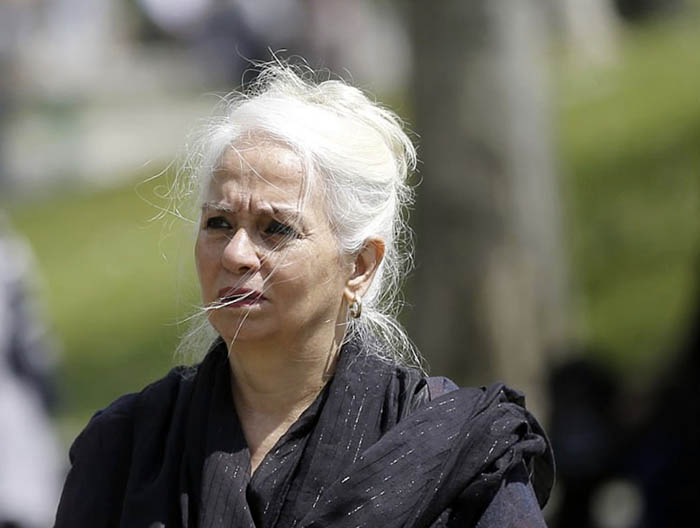
13 Bedar in Tehran: Celebrating Life on the Frontline of War
Introduction In the heart of Tehran, where headlines often speak of geopolitical tension, military escalation, and uncertainty, a different story … Continue reading ➝
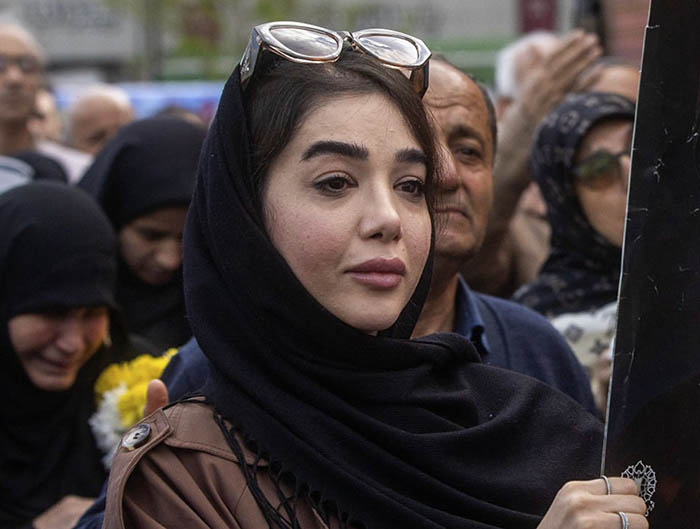
A Mournful Face at Tangsiri’s Funeral: Grief, Power, and Tension in Tehran
Introduction The image of a mournful face at the funeral of Alireza Tangsiri has become one of the most haunting … Continue reading ➝
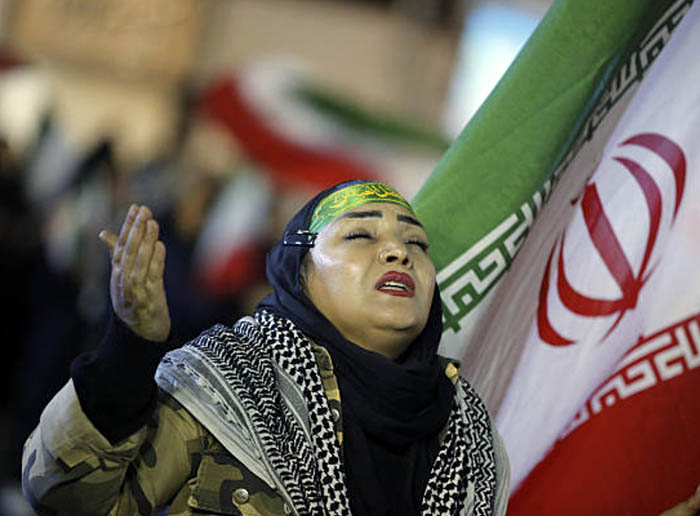
Israeli and U.S. Attacks on Spark Mass Protests in Tehran: Rising Middle East Tensions in 2026
Introduction In a dramatic escalation of tensions in the Middle East, mass protests erupted in Tehran following reports of coordinated … Continue reading ➝
The Sorrow of Destruction in West Tehran: Inside the Human Cost of the War
Introduction The city of Tehran woke to devastation on March 30, 2026. In the western districts of Iran’s capital, residential … Continue reading ➝

US–Israel–Iran War Demonstration in Washington, DC: Iranian Diaspora Rally for Freedom
Introduction On March 29, 2026, thousands gathered on the National Mall in Washington, DC near the iconic US Capitol to … Continue reading ➝