Diplomatic Talks in Geneva: A Turning Point in US-Iran Nuclear Negotiations and Middle East Diplomacy
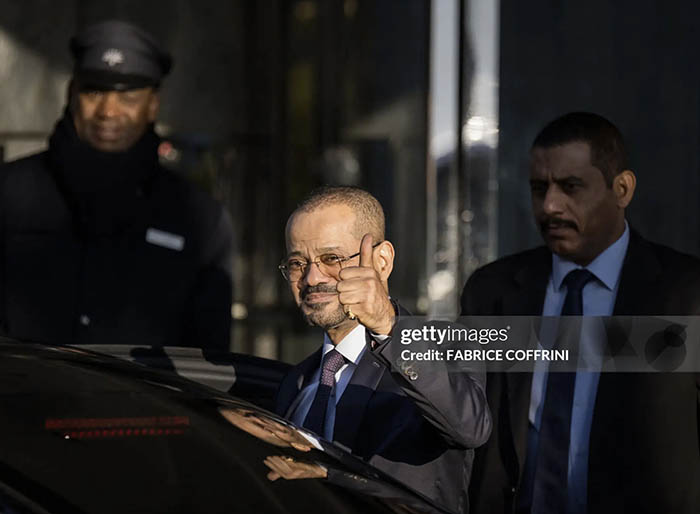
2. Oman’s Role in Middle East Diplomacy
Historical Background and Diplomatic Philosophy
Oman’s foreign policy has long been characterized by neutrality, diplomacy, and regional engagement. Unlike other Gulf Cooperation Council (GCC) members, Oman maintains a balanced relationship with Iran and the West, promoting stability and conflict resolution.
Oman’s Sultan Qaboos bin Said (who ruled until 2020) championed peaceful diplomacy, hosting negotiations for regional conflicts such as the Iran-Iraq War, Yemen, and Afghanistan. The country’s strategic location at the southern entrance of the Persian Gulf has positioned Oman as a crucial mediator.
Oman as a Mediator in Middle East Conflicts
Throughout history, Oman has acted as an intermediary, facilitating dialogue between conflicting parties. Its role in the Iran-U.S. rapprochement efforts, especially in the context of nuclear negotiations, underscores its diplomatic agility.
In recent years, Oman has hosted secret talks, back-channel negotiations, and regional summits aimed at de-escalating tensions. Its neutral stance and diplomatic finesse have earned it respect among regional and global powers.
Strategic Interests and Regional Stability
Oman’s interests lie in maintaining regional stability, ensuring energy security, and safeguarding its independence. The country recognizes that prolonged conflict and nuclear proliferation threaten its security and economic stability.
By mediating between Iran and Western powers, Oman seeks to foster dialogue, prevent conflict escalation, and position itself as a key diplomatic hub in the Middle East.