Demands of Quota Doctors: A Comprehensive Analysis of Reservation Policy in Medical Education and Healthcare
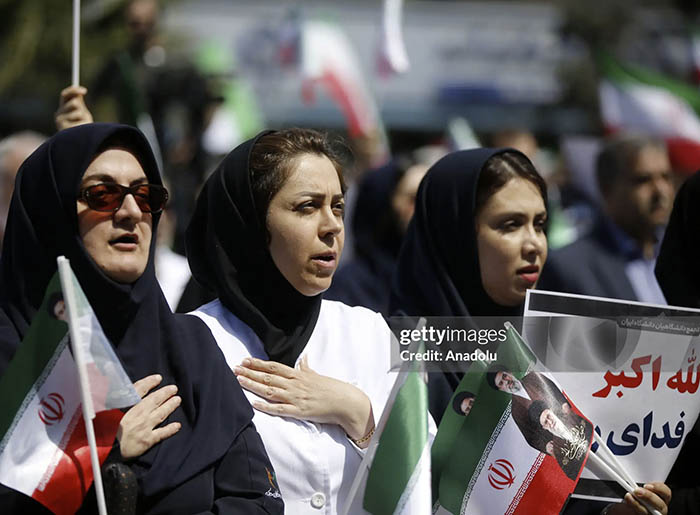
Equality in Medical Education
The discussion surrounding quota doctors, often referred to as those who enter medical education through reservation or affirmative action policies, has evolved into one of the most complex and emotionally charged debates in modern society. At its core, the issue is not merely about admission into medical colleges but about deeper questions of equality, historical injustice, opportunity, and the definition of merit itself. The demands of quota doctors reflect a broader struggle for dignity, fairness, and recognition within systems that have long been shaped by unequal access to resources.
To understand the demands of quota doctors, it is essential to first examine the context in which reservation systems were introduced. In many countries, particularly in India, reservation policies emerged as a corrective mechanism to address centuries of systemic discrimination and exclusion faced by marginalized communities. These communities often lacked access to quality education, financial stability, and social mobility. As a result, their representation in prestigious professions like medicine remained disproportionately low. Reservation policies were therefore designed to create a more level playing field, allowing individuals from disadvantaged backgrounds to pursue careers that were previously inaccessible.
April 6, 2026 | 6:39 pm