The Forty-Day Mourning: Controversy After the Death of Ali Khamenei in Mexico City
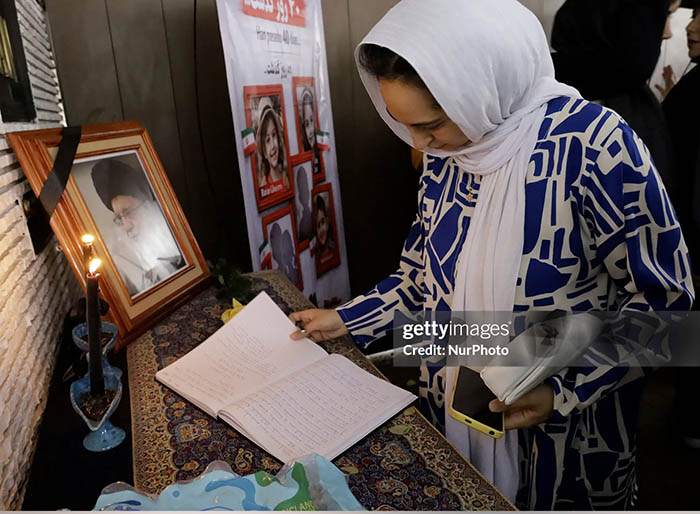
The Role of the Clergy: Preserving Authority
Iran’s clerical establishment plays a central role during the mourning period. Sermons, public gatherings, and religious rituals are used to reinforce continuity.
However, the death of a Supreme Leader also raises a critical question: succession.
Names such as Mojtaba Khamenei have long been discussed as potential successors, though such a transition could be controversial. The 40-day ceremony becomes an opportunity to subtly shape public perception about who should lead next.
April 12, 2026 | 10:08 amMore stories
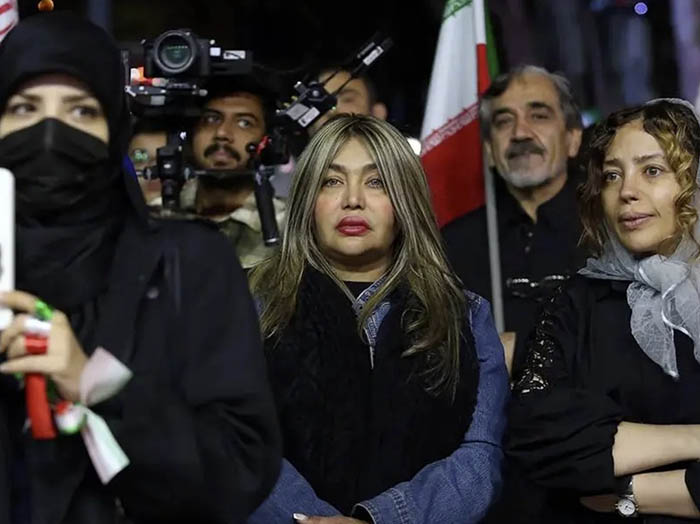
Presence of Government Artists Supporting the Islamic Republic in Ferdows Garden
Introduction The historic Ferdows Garden once again became the center of attention as a large-scale cultural program titled “We Are … Continue reading ➝
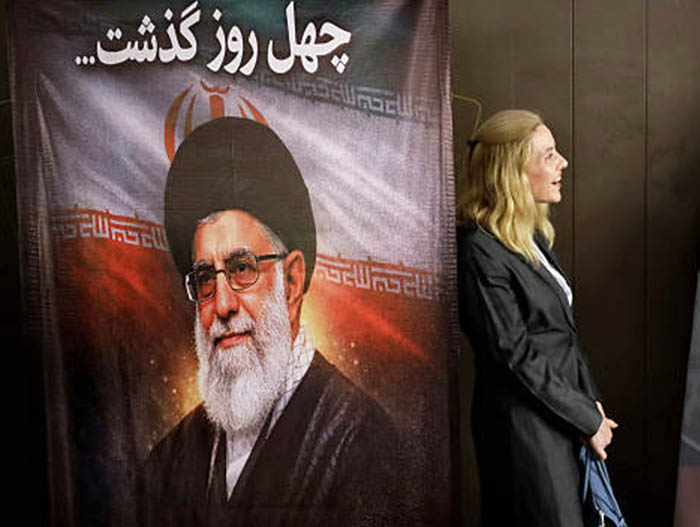
The Forty-Day Mourning: Controversy After the Death of Ali Khamenei in Mexico City
Introduction The reported death of Ali Khamenei marks not only the end of a political era but also the beginning … Continue reading ➝
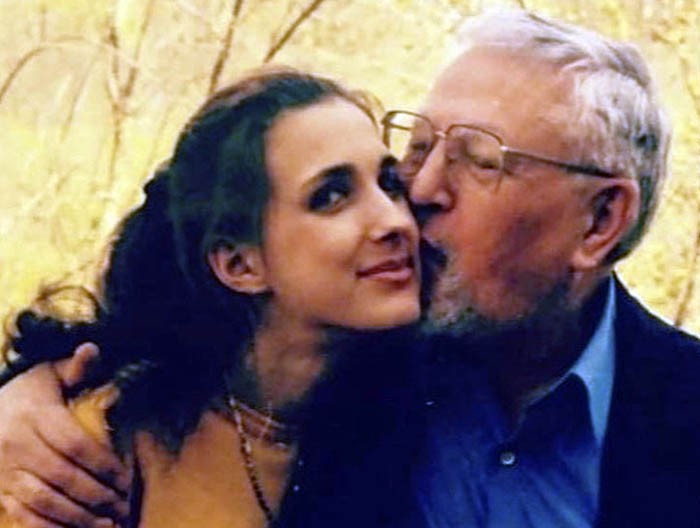
Children of Ebrahim Yazdi in the USA: Family, Legacy, and Influence
Introduction Ebrahim Yazdi was one of the most influential figures in modern Iranian political history. Known for his role as … Continue reading ➝

Marco Rubio: Personal Life, Identity, and the nightmare of the sons of the Islamic Republic in USA
Introduction Marco Rubio stands as one of the most influential American political figures of the 21st century, particularly in the … Continue reading ➝
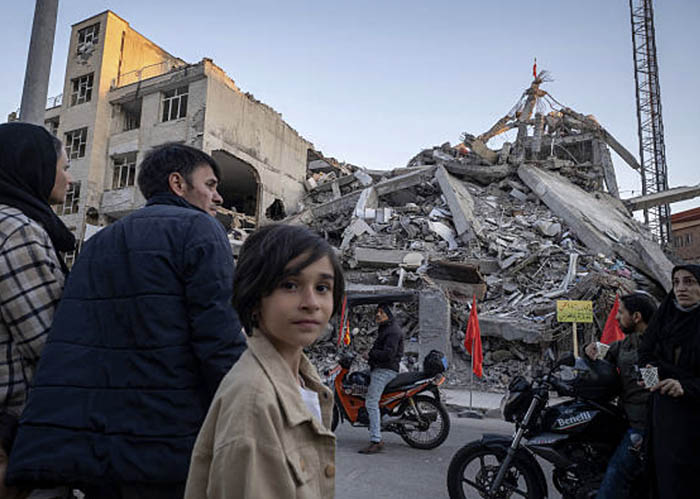
The Islamic Republic’s Instrumental Misuse of War Ruins: Propaganda
Introduction In the aftermath of the March 9 military strikes attributed to joint U.S.-Israeli operations, parts of residential Tehran were … Continue reading ➝