Supreme Leader’s Aide Under Fire After Daughter’s Hijab-Free Wedding Video Goes Viral
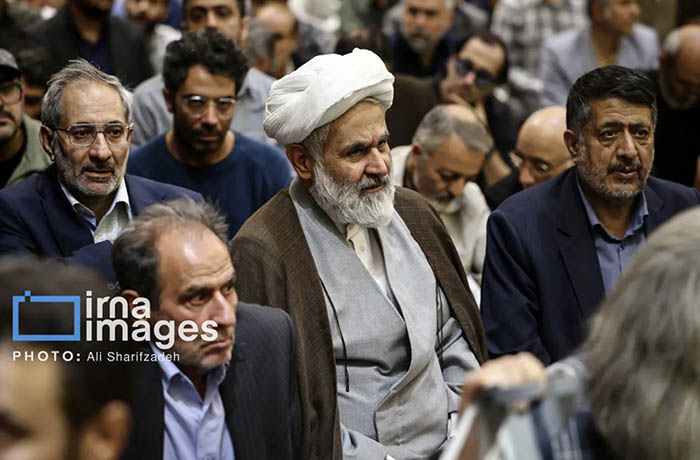
Regime Responses: Strategies and Prospects
Iran’s leadership faces a complex challenge: how to manage the fallout from the Shamkhani wedding scandal without jeopardizing their grip on power. Their response will significantly influence whether this incident becomes a catalyst for reform or a prelude to further repression.
Possible Regime Strategies
1. Public Denial and Minimization
- Approach: Authorities may dismiss the scandal as a private matter or a Western-led smear campaign.
- Implementation: State media could downplay the incident, emphasizing Shamkhani’s patriotism and service, framing the leak as an illegitimate attack on national security.
- Risks: This approach risks further alienating the public if the scandal’s emotional impact persists, especially among youth and reformists.
2. Feigning a Mea Culpa and Implementing Disciplinary Measures
- Approach: Shamkhani or other officials might publicly apologize or resign to restore moral credibility.
- Implementation: Limited disciplinary actions could be announced—such as a temporary suspension or a formal reprimand—without significant shake-up.
- Risks: Such gestures may be viewed as superficial or insincere, fueling distrust.
3. Launching Counteroffensives and Repression
- Approach: Authorities could escalate security measures, crackdown on social media, or imprison activists involved in leaks.
- Implementation: Increased censorship, arrest warrants, or intimidation campaigns against dissenting voices.
- Risks: This could escalate unrest, especially if coupled with economic hardships and ongoing protests.
4. Reforming or Relaxing Social Controls
- Approach: In a more strategic move, the regime might attempt to soften some restrictions to placate the population.
- Implementation: Easing restrictions on dress, social gatherings, or the internet.
- Risks: Such reforms could threaten the ideological rigidity of the regime, risking internal dissent from hardliners.
More stories

Coffee Under Fire: The Resilience of Café Culture in Tehran During Wartime
Introduction Tehran has always been a city of paradoxes—restless yet restrained, modern yet steeped in history. In times of war, … Continue reading ➝
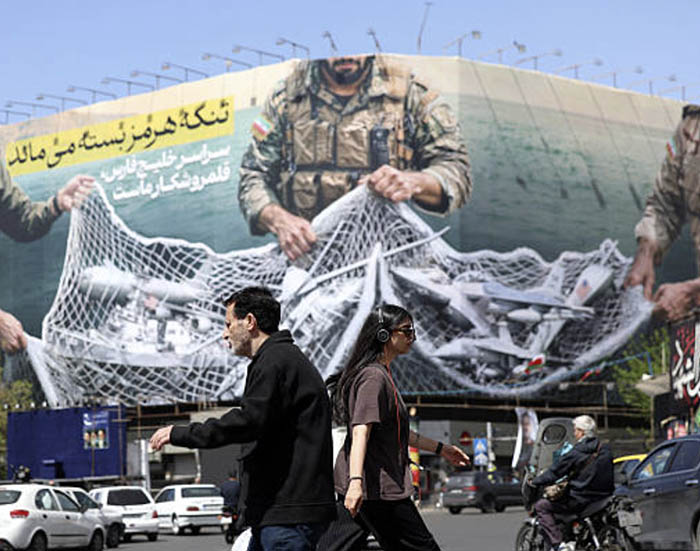
Strait of Hormuz Crisis 2026: Propaganda Posters in Enghelab Square
Introduction In the heart of Tehran, specifically at Enghelab Square, a massive propaganda banner has emerged as one of the … Continue reading ➝
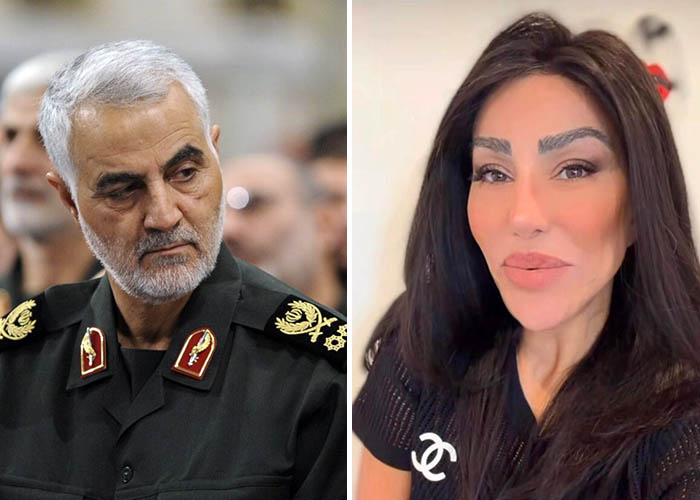
US State Department Arrests Relative of Qassem Soleimani: Immigration Crackdown, National Security Concerns
Introduction The recent announcement by the United States Department of State regarding the arrest and revocation of permanent residency for … Continue reading ➝
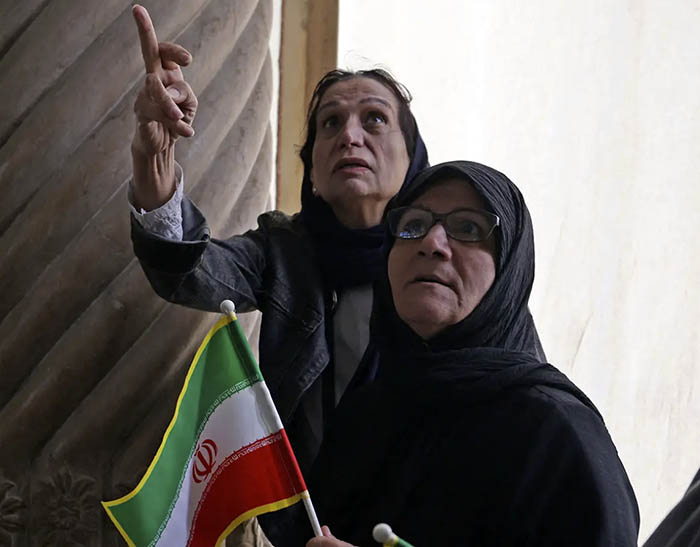
Damage to Golestan Palace Amid Iran–Israel–US Conflict: Cultural Heritage at Risk
Introduction The unfolding Iran–Israel–US conflict in 2026 has not only intensified geopolitical tensions in the Middle East but has also … Continue reading ➝
U.S.-Israeli Military Operations: Full Analysis of the 2026 Middle East Conflict
Introduction The escalating conflict involving United States, Israel, and Iran has rapidly evolved into one of the most dangerous geopolitical … Continue reading ➝