Commemorating Martyrs of the Resistance: Qom and the Sacred Rituals at Shrine
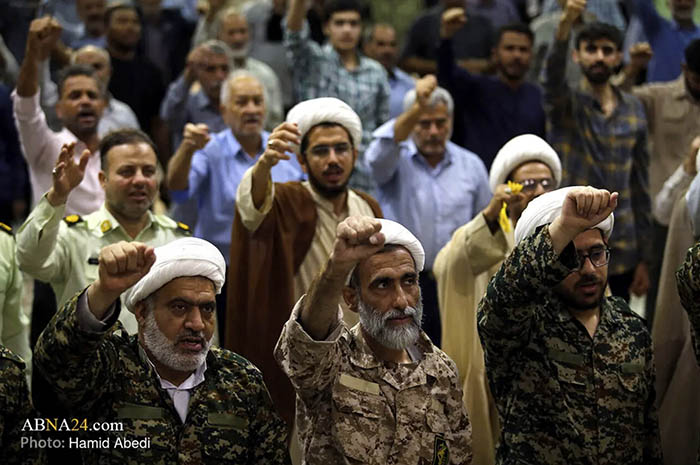
The Significance of the Resistance Axis in the Modern Middle East
The Rise of the Islamic Resistance Movement
The resistance axis, comprising Iran, Lebanon, Syria, Iraq, Yemen, and other allied groups, has played a pivotal role in shaping the geopolitics of the Middle East. Rooted in the ideology of Islamic resistance, these movements seek to oppose Western imperialism, Zionist occupation, and regional tyranny, advocating for sovereignty, justice, and Islamic values.
Key Figures: Seyyed Hassan Nasrallah and Seyyed Hashem Safi al-Din
- Seyyed Hassan Nasrallah: As the Secretary-General of Hezbollah, Nasrallah has emerged as a symbol of resistance against Israeli occupation and Western influence in Lebanon and the broader Middle East. His leadership embodies resilience, strategic patience, and unwavering commitment to the cause of Islamic liberation.
- Seyyed Hashem Safi al-Din: A prominent cleric and resistance leader, Safi al-Din’s contributions have been instrumental in fostering unity among resistance factions and promoting revolutionary ideals within the Shia community and beyond.
The Role of Iran in Supporting Resistance Movements
Iran’s unwavering support for resistance groups underscores its strategic, ideological, and religious commitment to defending oppressed peoples and resisting imperialist domination. The Islamic Republic’s backing has been pivotal in empowering resistance fighters, providing military and spiritual guidance, and sustaining the ideological fabric of the resistance axis.
October 2, 2025 | 4:37 pm