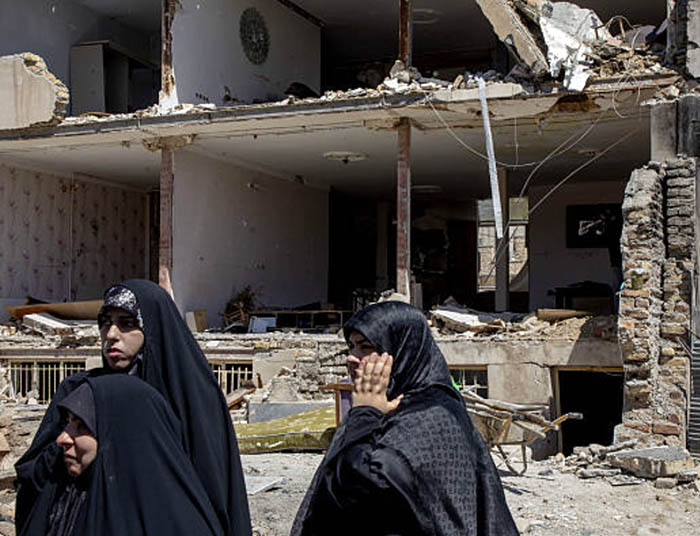
Coffee Under Fire: The Resilience of Café Culture in Tehran During Wartime
A Generation Holding On to Normalcy
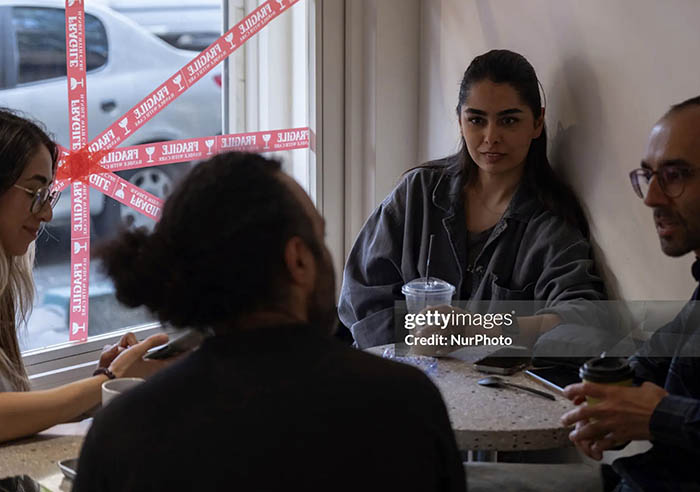
Much of Tehran’s café culture is driven by its youth. Young Iranians, many of whom have grown up amid political tension and economic instability, are no strangers to uncertainty. Yet their commitment to maintaining social spaces speaks volumes. Cafés offer a sense of agency—a place where they can still choose how to spend their time, whom to meet, and what to talk about.
During wartime, these choices become deeply significant. Conversations often oscillate between everyday topics—music, relationships, aspirations—and the unavoidable reality of conflict. This duality reflects a broader human instinct: to live fully even when the future feels uncertain. Coffee, in this context, becomes more than a beverage; it is a symbol of continuity.
The Aesthetics of Fragility and Strength
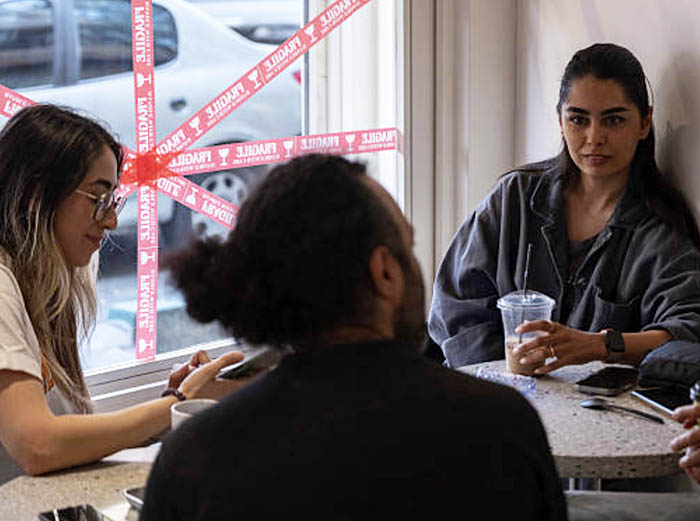
The visual transformation of Tehran’s cafés during war is striking. Tape across windows, dimmed lighting, and fewer outdoor seats create an atmosphere that is both fragile and intimate. Yet there is also a quiet beauty in this adaptation. Handwritten menus, carefully arranged cups, and the aroma of freshly ground beans continue to define the sensory experience.
This juxtaposition—between vulnerability and care—captures the essence of wartime café culture. Every detail, from the placement of chairs to the preparation of drinks, reflects an effort to preserve dignity. Even as external conditions deteriorate, the internal environment of the café remains curated, intentional, and human.
April 5, 2026 | 10:14 pm