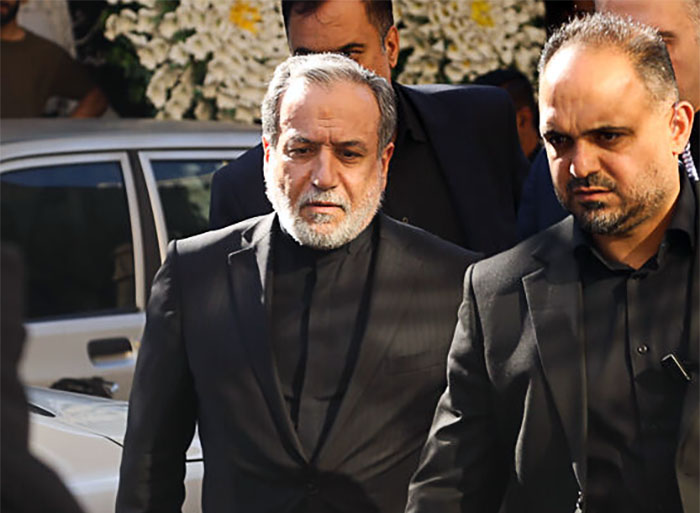
Memorial Service for Badrossadat Araghchi, Sister of Foreign Minister, Held in Tehran
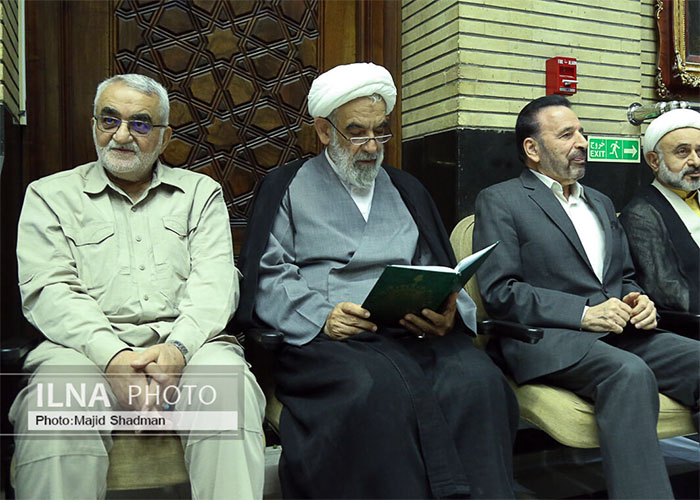
News Coverage of the Memorial Service
Iranian media organizations cover a wide range of political, social, cultural, and religious events. Memorial services involving prominent public figures or their relatives can become news stories when officials and representatives from public institutions attend.
The ceremony for Badrossadat Araghchi was covered by Iranian news outlets, including Tasnim News Agency. Reports and photographs documented the gathering and its attendees.
The reporting placed particular emphasis on the identity of the deceased as the sister of Iran’s foreign minister and the participation of military and civilian officials, ambassadors, and other representatives based in Tehran.
Photographic reports are a common format for documenting public ceremonies. They allow readers to see the setting of an event and the people attending it, complementing written accounts of the occasion.
Readers seeking additional information about the memorial can consult the original reporting and photographic coverage rather than relying solely on reposted summaries.
How to Verify Reports About Badrossadat Araghchi
When researching a news event involving a public official, readers can compare the information presented in different reports. The most useful details to verify include the date of the ceremony, the venue, the identity of the deceased, and the names or official positions of attendees.
Original reporting from established news organizations can help distinguish confirmed information from speculation. Photographs may also provide context, although the identities of individuals shown in images should be confirmed through reliable captions or accompanying reports.
For the Badrossadat Araghchi memorial service, the central reported facts are that the ceremony took place at Noor Mosque in Tehran and was attended by Iranian officials, foreign diplomatic representatives, and members of the deceased’s family and social circle.
Additional biographical claims about the deceased should be included only when supported by reliable sources.
The Social Importance of Offering Condolences in Iran
Offering condolences is an established part of social life in Iran. Following the death of a family member, relatives, friends, neighbors, colleagues, and acquaintances may visit the bereaved family or attend a memorial gathering.
These visits communicate sympathy and acknowledge the family’s loss. The practice extends across different social and professional circles, and public officials may receive condolences from colleagues and representatives of institutions with which they are associated.
A memorial service can therefore bring together people whose relationships with the family differ considerably. Some attendees may be close relatives or longstanding friends, while others may be professional acquaintances or people seeking to express respect for the bereaved.
The gathering for Badrossadat Araghchi included family members and acquaintances alongside Iranian officials and foreign representatives. This combination of attendees reflected the different circles of people who wished to offer condolences.
Religious Observances and Memorial Ceremonies
Islamic mourning traditions include prayers for the deceased, expressions of sympathy for surviving relatives, and gatherings intended to remember the person who has died. Specific customs vary according to family preferences, regional practices, and the circumstances of the death.
In Iran, mosques often provide a suitable setting for such gatherings because of their religious and community functions. Families may arrange ceremonies at a designated mosque where visitors can attend and express their condolences.
The memorial service for Badrossadat Araghchi at Noor Mosque brought mourners together in this type of setting. The ceremony was reported as a gathering attended by people from different sectors of Iranian public life.
It is important, however, not to assume that every memorial service follows an identical format. Details such as prayers, speeches, attendance arrangements, and the duration of a ceremony should be reported only when confirmed by event-specific sources.
October 11, 2026 | 5:59 pm