Amir Tataloo: Navigating Legal Challenges Amid Government Criticism in 2024
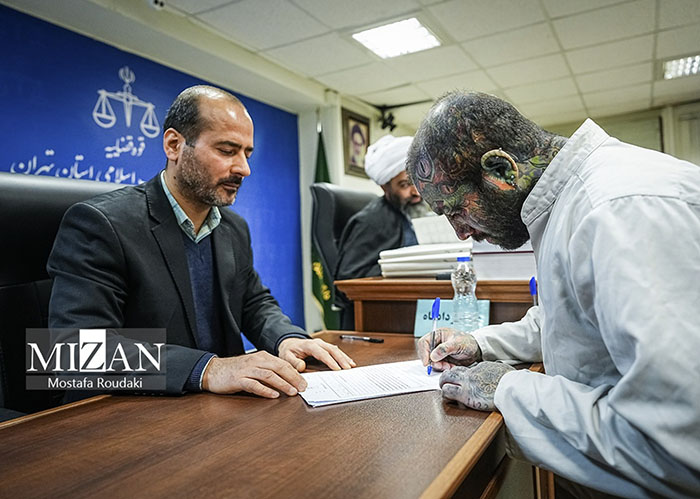
Empowering the Artist’s Voice: Amidst the challenges faced by Amir Tataloo, a resounding call emerges for empowering the voices of artists worldwide. Advocacy groups, cultural organizations, and fellow musicians unite to amplify this call, emphasizing the need for a global commitment to protect and nurture the creative spirit. Tataloo’s story becomes a rallying point for establishing frameworks that safeguard artists against censorship and persecution.
International Solidarity Campaigns: Inspired by Tataloo’s struggle, international solidarity campaigns gain momentum. Artists from diverse backgrounds lend their voices to the cause, using their platforms to shed light on the broader issue of artistic freedom. The global community rallies together, emphasizing the interconnectedness of creative expression across borders.
Legal Reforms and Policy Advocacy: Tataloo’s journey prompts a closer examination of existing legal frameworks governing artistic expression. Governments, NGOs, and legal experts engage in discussions to identify areas for reform. Policy advocacy becomes a crucial component of the movement, with calls for legislation that protects artists from arbitrary arrests and restrictions on their creative endeavors.
Cultural Impact Beyond Music: The impact of Tataloo’s narrative extends into various cultural domains. Artists, filmmakers, writers, and other creatives draw inspiration from his resilience, infusing their works with themes of freedom, dissent, and the enduring power of the human spirit. Tataloo’s influence permeates through the cultural tapestry, leaving an indelible mark on the broader artistic landscape.
Educational Initiatives for Creative Freedom: In response to Tataloo’s struggles, educational institutions worldwide launch initiatives aimed at fostering creative freedom. Workshops, seminars, and academic programs focus on the intersection of art and activism, encouraging the next generation of artists to become advocates for change. The educational sphere becomes a breeding ground for a new wave of socially conscious creators.
Digital Activism 2.0: Building on the digital activism sparked by Tataloo’s case, a new era of online advocacy emerges. Social media campaigns, virtual protests, and digital art installations become powerful tools for mobilizing support and pushing for change. The collective strength of the digital community proves instrumental in holding oppressive regimes accountable for their actions against artistic expression.
Global Recognition of Artistic Freedom as a Human Right: Tataloo’s story contributes to a paradigm shift in the global understanding of artistic freedom. The right to express oneself creatively is increasingly recognized as a fundamental human right, deserving protection and respect. International bodies, including the United Nations, engage in discussions to solidify the recognition of artistic freedom as a cornerstone of democratic societies.
The Enduring Legacy: As Amir Tataloo’s journey continues to unfold, its enduring legacy lies in the transformative impact on the global discourse surrounding artistic freedom. Artists, activists, and individuals alike are reminded that the fight for creative autonomy transcends individual struggles – it is a collective endeavor that shapes the future of societies and empowers the voices that dare to challenge the status quo.
March 4, 2024 | 12:16 pmMore stories
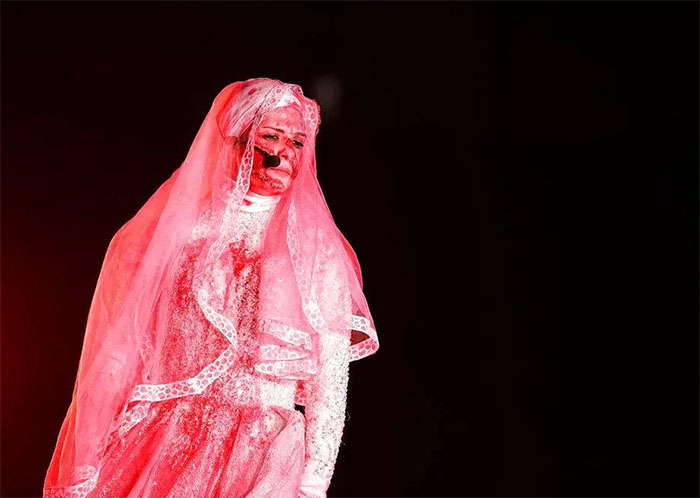
An Unusual Wedding Ceremony in Tehran Becomes a Memorial for the Victims of the Kohestak, Sirik Tragedy
Introduction The streets of Tehran have become the setting for an unusual and emotionally charged public event: a wedding-themed installation … Continue reading ➝
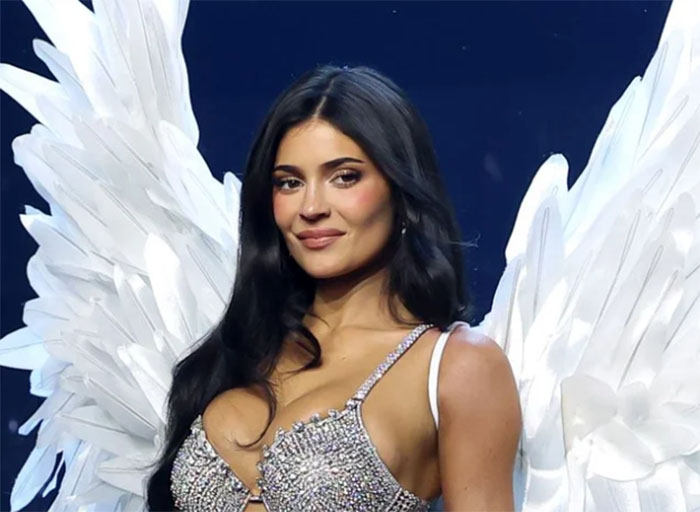
Kylie Jenner Makes Victoria’s Secret Fashion Show Debut in $50 Million Fantasy Bra
Introduction Babak Takhti is an Iranian writer, publisher and the only son of Gholamreza Takhti, the legendary Iranian freestyle wrestler … Continue reading ➝
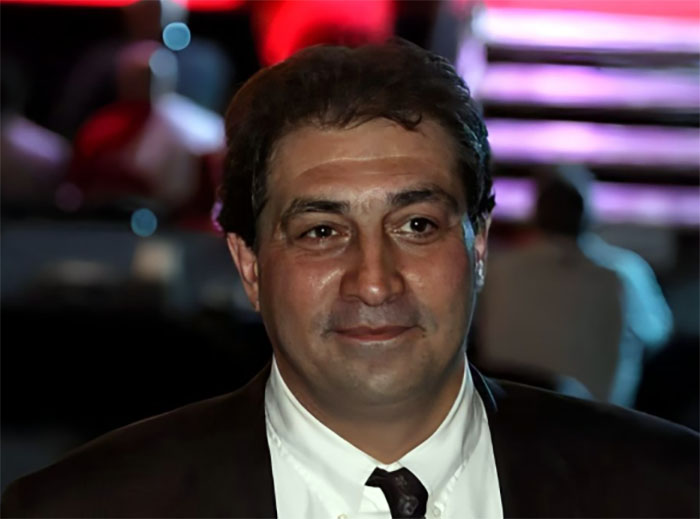
Who Is Babak Takhti? Gholamreza Takhti’s Only Son, His Family, Career, and His Father’s Controversial Death
Introduction Babak Takhti is an Iranian writer, publisher and the only son of Gholamreza Takhti, the legendary Iranian freestyle wrestler … Continue reading ➝
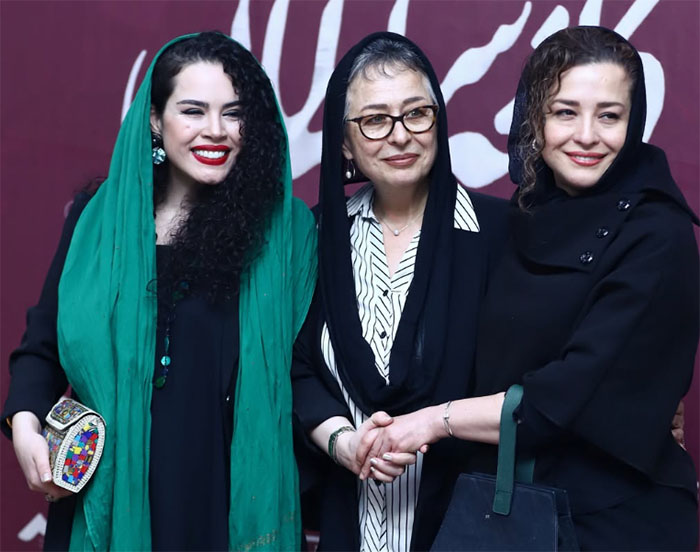
Azita Hajian, Mehraveh Sharifinia and Melika Sharifinia Attend Cafe Soltan Private Screening at Megamall Cinema
Introduction The private screening of Cafe Soltan, the Iranian feature film directed by Mostafa Razagh-Karimi and produced by Morteza Razagh-Karimi, … Continue reading ➝

Bot (Bet) Movie: Hamid Nematollah’s Drama Holds Private Screening at Galleria Cinema Complex
Introduction The Iranian social drama Bot, also transliterated as Bet and associated with the English title Idol, has attracted attention … Continue reading ➝