Alireza Heydari Shocks TV Audience: The Truth Behind His Exit After Kimia and Nahid Remarks
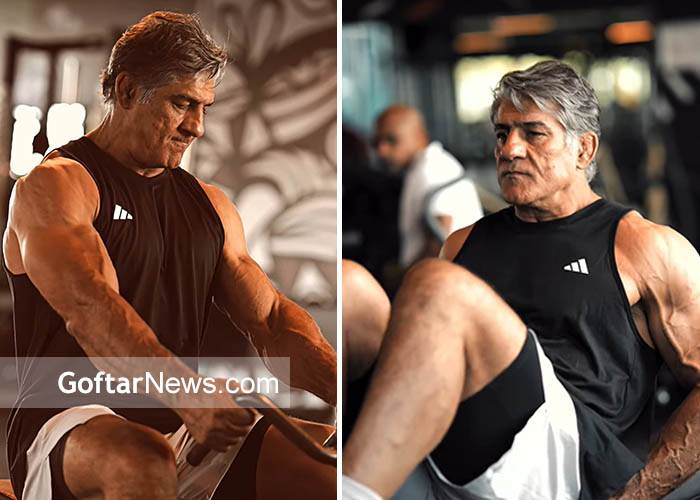
Political Pressures and the Role of Athletes as Ambassadors
In Iran, athletes are frequently thrust into the role of informal diplomats, representing the nation in a global context where political tensions often run high. This role can be both a source of pride and a burden, as athletes are expected to navigate complex political landscapes while remaining focused on their sport.
For Heydari, this dual responsibility has meant balancing his personal ambitions with the expectations of a nation. The pressure to perform well on the international stage is immense, not just for the sake of personal achievement but to project a positive image of Iran. Athletes are often seen as embodiments of the nation’s virtues—discipline, resilience, and strength—and their successes and failures are interpreted through this lens.
The political dimension of sports in Iran is particularly pronounced in cases where the country’s geopolitical stance comes into play. Iranian athletes, including Heydari, have sometimes found themselves at the center of international controversies, particularly when it comes to competing against athletes from countries with which Iran has tense relations. Decisions about whether to compete or abstain from certain matches can become politicized, with athletes often caught in the crossfire between national policy and international sportsmanship.
This dynamic was evident in the 2024 Paris Olympics, where the match between Kimia Alizadeh and Nahid Kiani became a focal point for discussions about loyalty, identity, and the pressures faced by Iranian athletes. The broader political context surrounding this match highlighted the challenges that Iranian athletes face when their personal and professional lives intersect with national politics. For Heydari, who commented on this situation during his TV appearance, it was a reminder of the delicate balance that athletes must maintain in such a charged environment.
The Role of Media in Shaping Public Perception
The media in Iran plays a crucial role in shaping public perception of athletes and their actions. In a country where the state heavily influences the media, the portrayal of sports figures is often aligned with national interests and ideological goals. This can create a challenging environment for athletes, who must be careful about how they are presented to the public.
Alireza Heydari’s experience with the media reflects the complexities of this relationship. As a high-profile athlete, Heydari has been subject to intense media scrutiny throughout his career. His words and actions, both on and off the mat, have been interpreted and reinterpreted in various ways, often depending on the broader political and social context.
The incident during the live TV program is a case in point. Heydari’s comments, which were intended to reflect his views on the Kimia-Nahid match, were quickly interpreted through a political lens, leading to his abrupt exit from the program. The media coverage that followed the incident varied, with some outlets focusing on the sportsmanship aspect while others highlighted the potential political sensitivities involved.
This incident underscores the challenges that athletes like Heydari face when engaging with the media. In Iran, where the media is often a tool for political messaging, athletes must navigate their public personas carefully to avoid being drawn into controversies that could overshadow their sports careers. Heydari’s cautious approach to media appearances following the incident reflects a broader trend among Iranian athletes, who are increasingly aware of the risks associated with public commentary.
August 12, 2024 | 6:30 pmMore stories
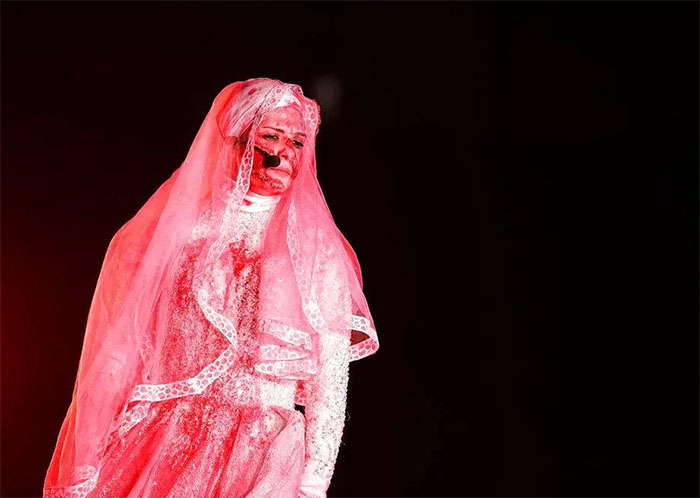
An Unusual Wedding Ceremony in Tehran Becomes a Memorial for the Victims of the Kohestak, Sirik Tragedy
Introduction The streets of Tehran have become the setting for an unusual and emotionally charged public event: a wedding-themed installation … Continue reading ➝
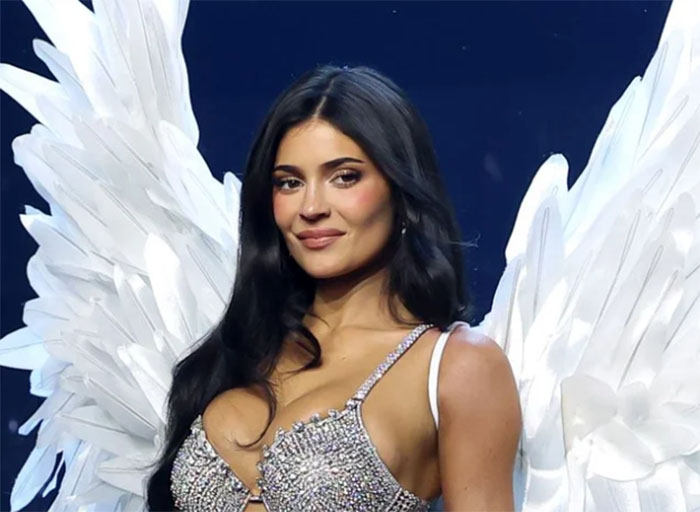
Kylie Jenner Makes Victoria’s Secret Fashion Show Debut in $50 Million Fantasy Bra
Introduction Babak Takhti is an Iranian writer, publisher and the only son of Gholamreza Takhti, the legendary Iranian freestyle wrestler … Continue reading ➝
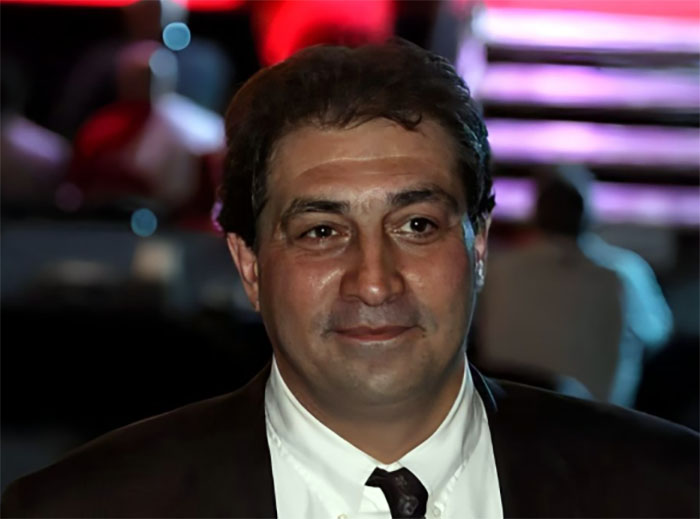
Who Is Babak Takhti? Gholamreza Takhti’s Only Son, His Family, Career, and His Father’s Controversial Death
Introduction Babak Takhti is an Iranian writer, publisher and the only son of Gholamreza Takhti, the legendary Iranian freestyle wrestler … Continue reading ➝
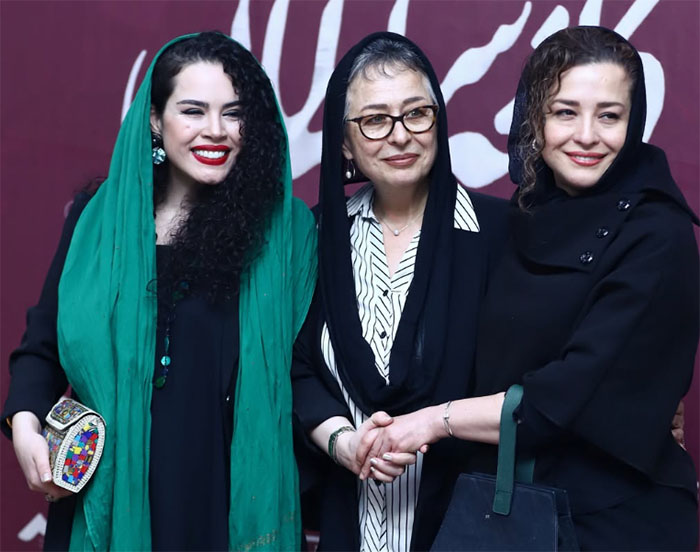
Azita Hajian, Mehraveh Sharifinia and Melika Sharifinia Attend Cafe Soltan Private Screening at Megamall Cinema
Introduction The private screening of Cafe Soltan, the Iranian feature film directed by Mostafa Razagh-Karimi and produced by Morteza Razagh-Karimi, … Continue reading ➝
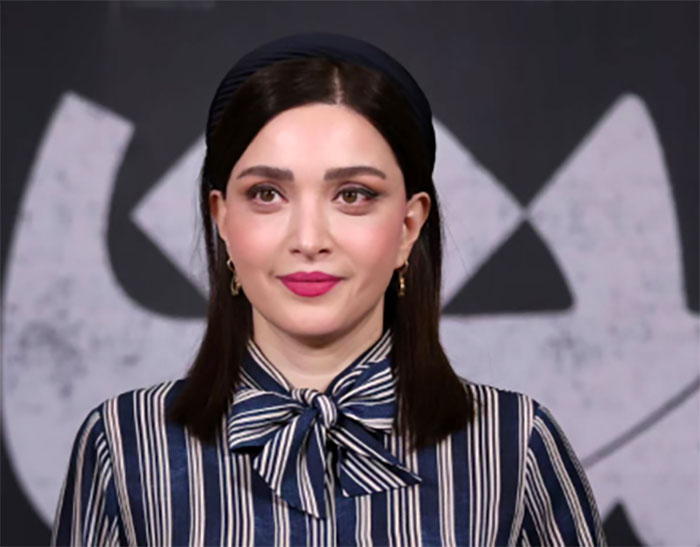
Bot (Bet) Movie: Hamid Nematollah’s Drama Holds Private Screening at Galleria Cinema Complex
Introduction The Iranian social drama Bot, also transliterated as Bet and associated with the English title Idol, has attracted attention … Continue reading ➝