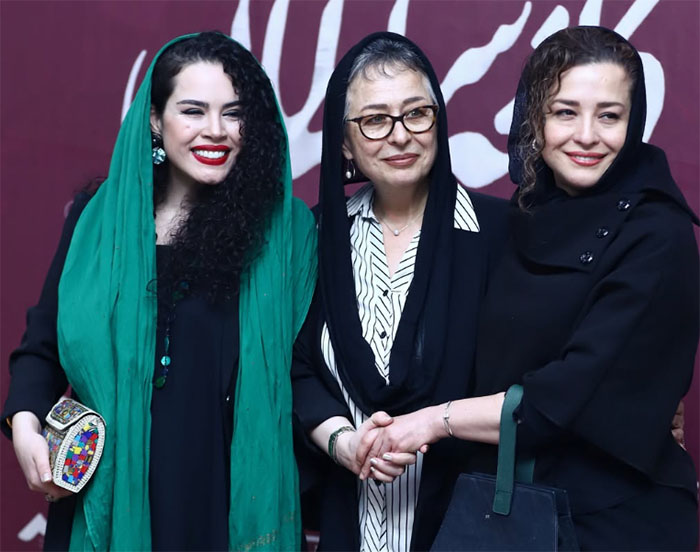
Highlights From the Ceremony Awarding the First-Class Order of Art to Alireza Davoodnejad
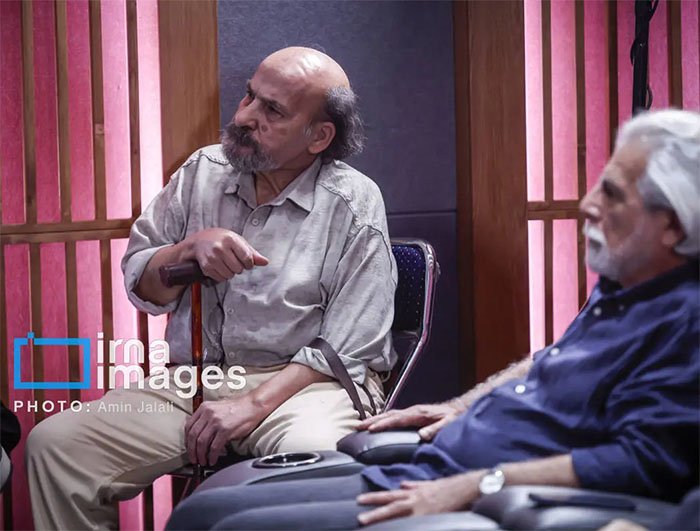
“The Need” and the Recognition of Alireza Davoodnejad
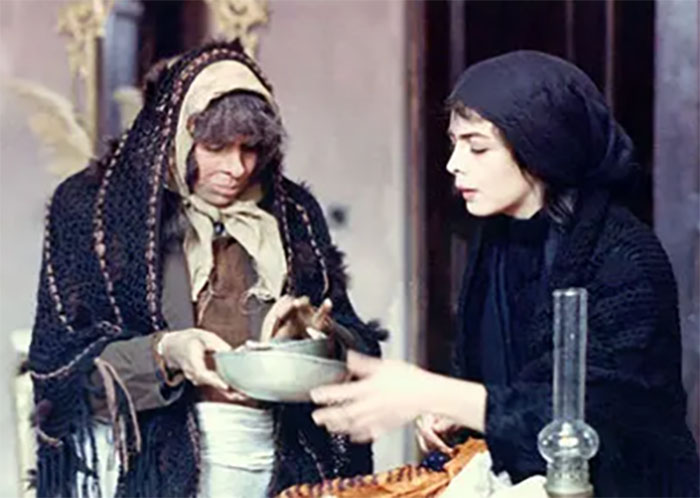
One of the most frequently mentioned films during coverage of the ceremony was The Need, known in Persian as Niaz.
Released in 1992, The Need occupies an important place in discussions of Davoodnejad’s filmography. The film is repeatedly referenced when discussing his contribution to Iranian cinema and his filmmaking approach.
At the ceremony, Tabatabaei-Nejad made a particularly notable observation about the relationship between Davoodnejad and the First-Class Order of Art.
He said that the award itself should not be considered a measure of Davoodnejad’s artistic stature, arguing that when Davoodnejad made The Need, he had already received a form of recognition from the public.
The comment captured an important distinction between an official award and a filmmaker’s broader reputation.
An institutional honor can formally recognize a career, but films can establish their own relationship with audiences.
For Davoodnejad, The Need has remained one of the works most closely associated with his reputation as a filmmaker interested in social realities and human relationships.
“Sweet Agony” and Davoodnejad’s Cinema
Another title frequently associated with Alireza Davoodnejad is Sweet Agony, known as Mosayeb-e Shirin.
The 1999 film became another important work in his career and is often discussed in relation to his interest in family, youth and changing social relationships.
Davoodnejad later returned to the world of Sweet Agony with Sweet Agony 2 in 2019. His filmography demonstrates the breadth of his work across different periods of Iranian cinema.
The films also illustrate a recurring characteristic of Davoodnejad’s filmmaking: an interest in subjects that connect cinematic narratives to ordinary social experiences.
Rather than limiting his stories to highly stylized environments, his films have often focused on people, relationships and circumstances that audiences can recognize from everyday life.
That approach has contributed to the continuing interest in his work among Iranian cinema audiences.
A restaurant needs transportation for ingredients.
September 17, 2026 | 10:07 pm