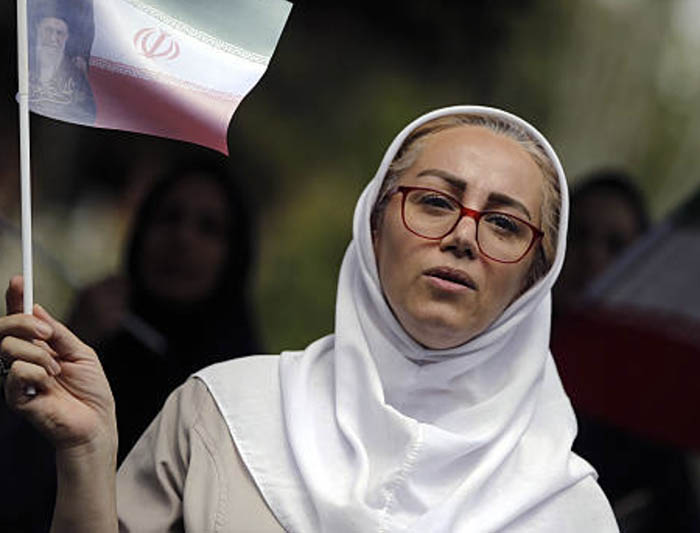
Prayer Ceremony for Late Supreme Leader Ali Khamenei, The bloodthirsty dictator Amid Ceasefire Tensions
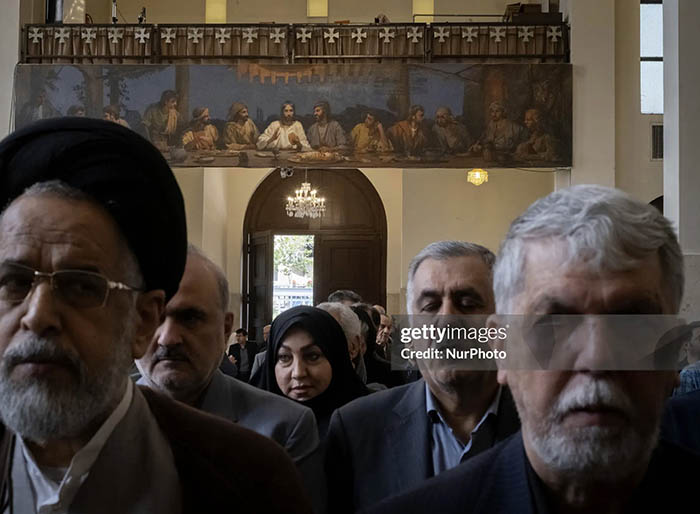
The Structure of Power in Iran
The role of Supreme Leader is unique in global politics. Unlike presidents or prime ministers, the Supreme Leader holds authority over multiple branches of government simultaneously.
Under Ali Khamenei, this structure became even more centralized. He maintained direct control over:
- The armed forces
- The judiciary
- State broadcasting
- Key economic foundations
This concentration of power allowed him to shape both domestic policy and Iran’s strategic direction abroad. It also meant that his death creates an unusually large institutional gap.
April 8, 2026 | 4:49 pmMore stories
Tajik and Zanko Street Concert in Ferdows Garden: A Powerful Musical Tribute
Introduction On the evening of Tuesday, 18 Farvardin 1405, Ferdows Garden became the heart of an unforgettable cultural moment in … Continue reading ➝
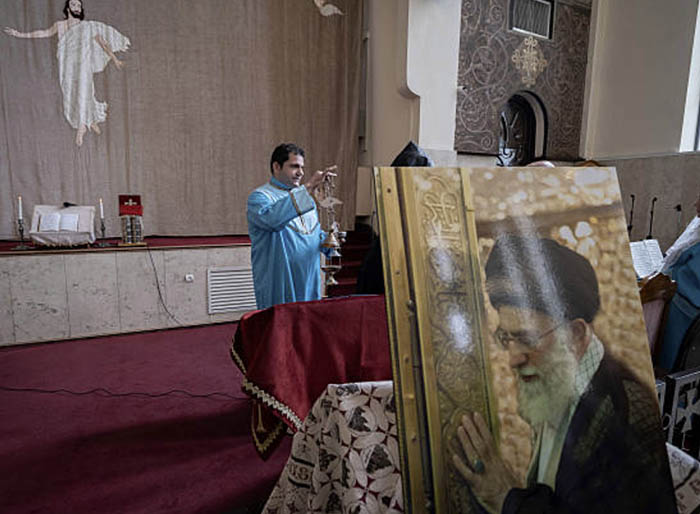
Prayer Ceremony for Late Supreme Leader Ali Khamenei, The bloodthirsty dictator Amid Ceasefire Tensions
Introduction The death of Ali Khamenei on April 8, 2026, has sent shockwaves across Iran and the wider Middle East, … Continue reading ➝
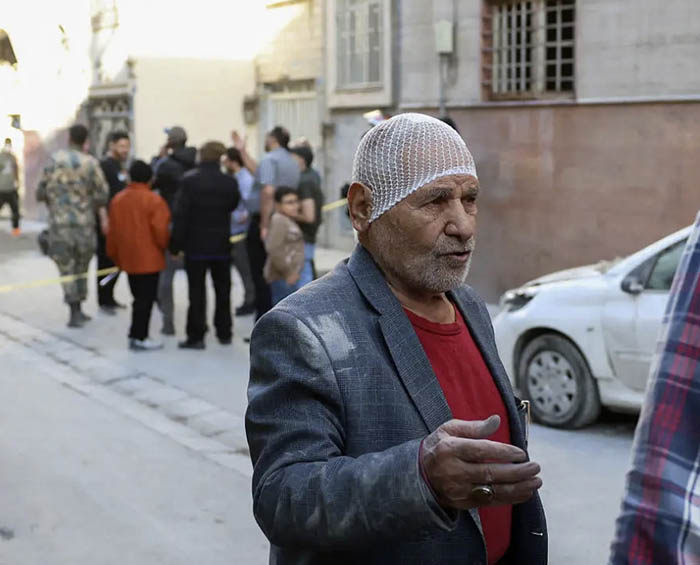
Israeli-American Strikes in Tehran 2026: Synagogue Destroyed Amid Escalating War
Introduction The ongoing conflict between Iran, Israel, and the United States has reached a devastating new chapter. On April 7, … Continue reading ➝
Demands of Quota Doctors: A Comprehensive Analysis of Reservation Policy in Medical Education and Healthcare
Introduction The debate around quota doctors, also known as doctors admitted through reservation or affirmative action policies, has become one … Continue reading ➝

Coffee Under Fire: The Resilience of Café Culture in Tehran During Wartime
Introduction Tehran has always been a city of paradoxes—restless yet restrained, modern yet steeped in history. In times of war, … Continue reading ➝