Abbas Araghchi Controversy: Questions Over Religious Image, Hijab Rules and the UN General Assembly
Conclusion
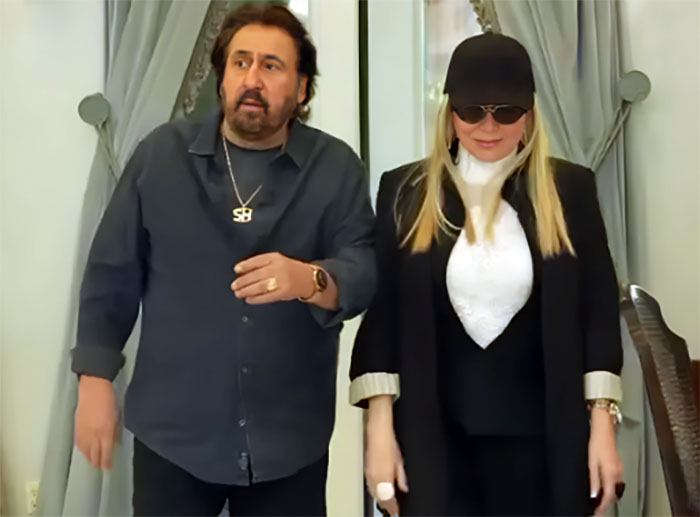
The photograph involving Abbas Araghchi and a woman has generated questions because of the unusual tension between Iran’s domestic religious policies and the realities of international diplomacy.
Iran is an Islamic republic whose government has historically imposed strict rules concerning women’s dress and public behavior.
Araghchi, as foreign minister, represents that state internationally.
Consequently, images of him interacting with women who do not appear to follow Iranian domestic dress standards can become politically symbolic.
But the photograph itself does not establish every claim made about it.
It does not, without additional evidence, establish the woman’s identity, profession, relationship to Araghchi, the circumstances of the photograph or his motivation for appearing in it.
Nor does the fact that a woman is non-mahram automatically establish that an Islamic prohibition has been violated.
The more substantive issue is therefore one of religious standards, political representation and consistency.
Critics may interpret such photographs as evidence of a double standard between ordinary citizens and political elites.
Others may regard the image as a normal consequence of international diplomacy, where officials interact with people from different countries, cultures and religious backgrounds.
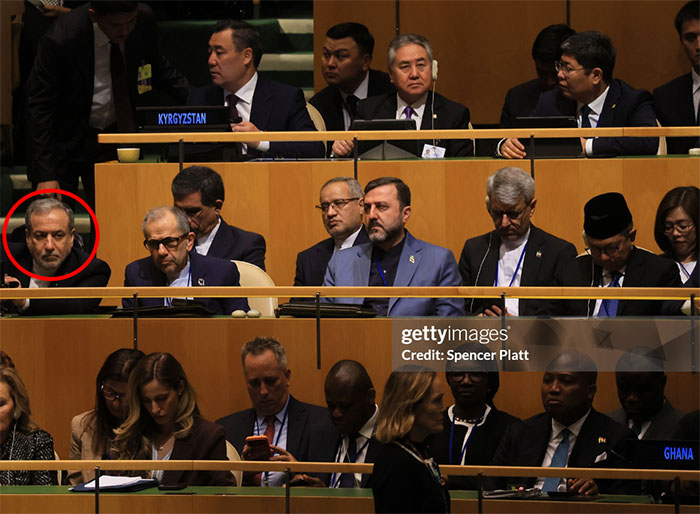
The documented context of Araghchi’s September 2026 visit demonstrates that his time in New York was dominated by high-level diplomacy. He attended the UN General Assembly, met foreign officials and participated in discussions involving the United States and other international actors.
The photograph therefore raises an interesting question about the relationship between Iran’s domestic religious identity and its international diplomatic image, but answering that question responsibly requires separating the documented facts from the interpretations attached to the image.
The most important question is ultimately not simply whether Abbas Araghchi stood beside a woman.
It is whether the standards publicly promoted by the Islamic Republic are expected to apply equally to its representatives when they operate outside Iran — and, if not, how the government explains that distinction.
That is the issue at the heart of the controversy surrounding the Abbas Araghchi photograph.