3 Types of Sore Throat and the Best Treatment for Each: Symptoms, Causes and Home Remedies
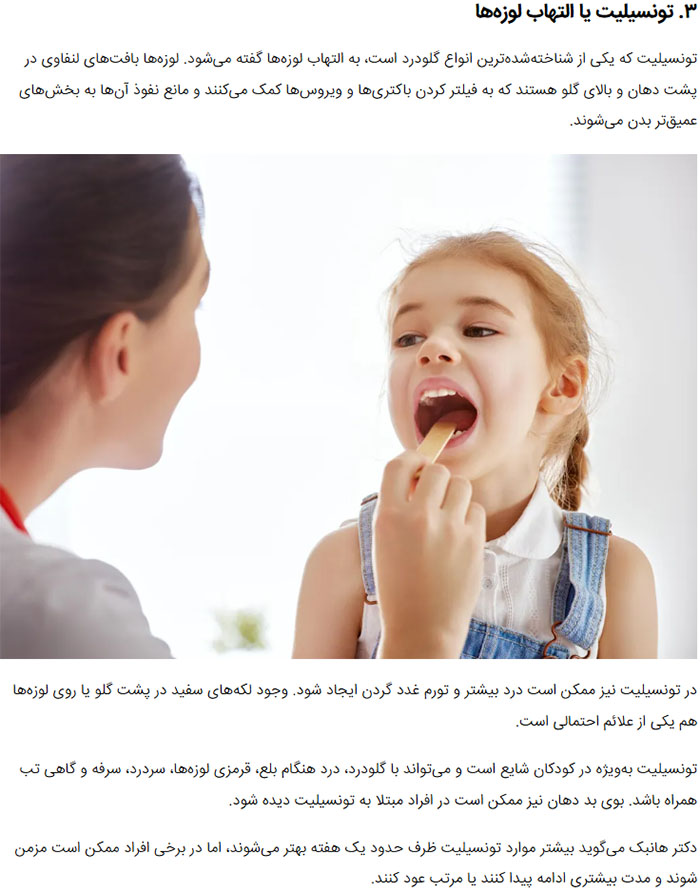
3. Tonsillitis: Swollen Tonsils, White Patches and Painful Swallowing
Tonsillitis is inflammation of the tonsils, two small masses of lymphoid tissue located at the back of the throat.
The tonsils form part of the immune system and help recognize pathogens entering through the mouth and nose.
When they become infected or inflamed, they may enlarge, become red, and cause considerable throat pain.
Tonsillitis is particularly common in children and teenagers, although adults can also develop the condition.
It can be caused by viruses or bacteria, including group A Streptococcus.
Main Symptoms of Tonsillitis
The symptoms of tonsillitis may vary from mild throat discomfort to severe inflammation.
Common symptoms include:
- Red and swollen tonsils
- Severe sore throat
- Pain or difficulty when swallowing
- White or yellow patches on the tonsils
- Fever and chills
- Tender or enlarged lymph nodes in the neck
- Headache
- Earache
- Bad breath
- Cough
- General fatigue
- Reduced appetite
Some people may also experience abdominal pain, nausea, or vomiting, particularly children.
White spots on the tonsils can occur in tonsillitis, but their presence does not automatically mean that the infection is bacterial.
Viral infections can also cause visible patches or exudate.
What Causes Tonsillitis?
Tonsillitis is usually caused by an infection.
1. Viral tonsillitis
Viruses are responsible for many cases of tonsillitis.
Common causes include viruses associated with the common cold, influenza, and other respiratory infections.
Epstein-Barr virus, which causes infectious mononucleosis, can also produce significant tonsil inflammation.
2. Bacterial tonsillitis
Group A Streptococcus is an important bacterial cause.
Bacterial tonsillitis may produce fever, enlarged tonsils, white patches, tender neck lymph nodes, and the absence of a cough.
However, clinical examination and, when appropriate, testing are necessary to determine whether antibiotics are needed.
The Best Treatment for Tonsillitis
The treatment of tonsillitis depends on its cause.
Most cases are viral and improve without antibiotics.
Home Treatment for Viral Tonsillitis
1. Rest and hydration
Rest allows the body to recover while adequate fluid intake helps prevent dehydration.
People with painful swallowing should take small, frequent sips if drinking larger amounts is uncomfortable.
2. Pain relief
Paracetamol or ibuprofen may help reduce pain and fever when appropriate.
Children should receive age-appropriate medicines according to professional advice and product instructions.
Aspirin should not be given to children or teenagers under 16 years of age unless specifically directed by a specialist.
3. Saltwater gargling
Adults and older children who can gargle safely may use warm salt water to relieve throat discomfort.
4. Soft foods
Soup, yoghurt, mashed potatoes, and other soft foods may be easier to swallow.
5. Throat lozenges
Medicated lozenges may provide temporary relief for suitable age groups.
6. Avoid irritants
Smoking and exposure to polluted or very dry air may worsen throat irritation.
Treatment for Bacterial Tonsillitis
If bacterial tonsillitis, particularly group A streptococcal infection, is diagnosed, a healthcare professional may prescribe antibiotics.
Penicillin-based medicines are commonly used when appropriate.
The choice of antibiotic depends on the suspected or confirmed organism, allergy history, age, pregnancy status, and local treatment recommendations.
It is important to complete the prescribed treatment according to medical instructions.
Can Tonsillitis Become Chronic?
Most acute tonsillitis episodes improve within about a week.
However, some people experience repeated episodes.
Recurrent tonsillitis can interfere with daily activities, sleep, eating, school, and work.
In selected cases involving frequent, severe infections, an ear, nose, and throat specialist may consider whether tonsillectomy, or surgical removal of the tonsils, is appropriate.
Surgery is not routinely required for ordinary episodes of tonsillitis.
Possible Complications of Tonsillitis
Although most cases resolve without serious problems, complications can occasionally develop.
One important complication is a peritonsillar abscess, sometimes called quinsy.
This occurs when pus collects in the tissues around a tonsil.
Warning signs include:
- Severe pain, often worse on one side
- Difficulty opening the mouth
- Difficulty swallowing
- Drooling
- A muffled or unusual voice
- Swelling in the throat
A peritonsillar abscess requires urgent medical assessment.
Other possible complications of streptococcal infection include scarlet fever, rheumatic fever, and certain kidney complications.
These complications are uncommon in settings where appropriate medical assessment and treatment are available.
November 13, 2026 | 10:08 pm