11 Jaw-Dropping Facts About the Bone-Eating Bearded Vulture
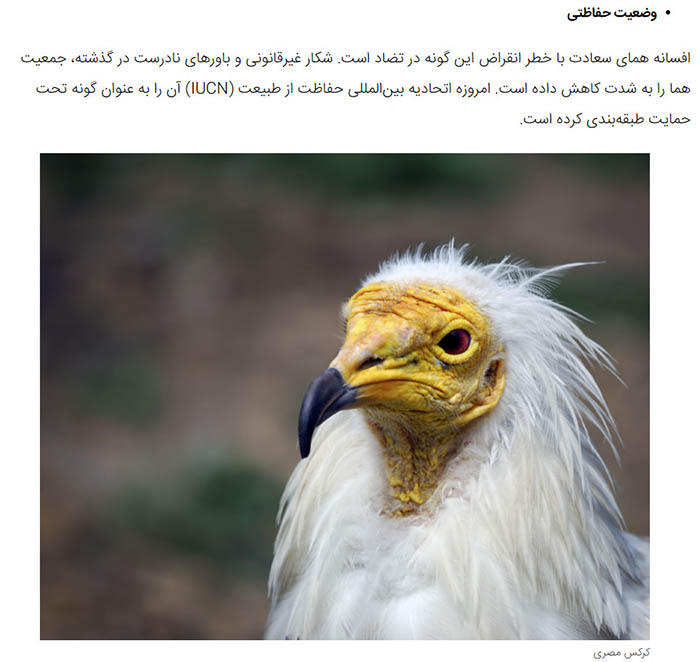
9. Endangered Status Due to Overhunting
Historically, bearded vultures were hunted to near extinction due to fears of them carrying off children and livestock. By the 1990s, they had been eradicated from most of Eastern Europe. Thanks to conservation efforts, they are now categorized as “least concern” by the IUCN. These efforts include habitat protection, captive breeding programs, and public education to dispel myths and promote coexistence.
Conservation initiatives have successfully reintroduced bearded vultures to areas where they were previously extinct. These reintroduction programs involve releasing captive-bred birds into the wild and monitoring their progress to ensure they adapt and thrive in their natural habitats. Public awareness campaigns also play a crucial role in changing perceptions and reducing human-wildlife conflicts.
More stories

Samar Dadgar and Özcan Deniz Attend The Last Supper Screening in Turkey
Introduction Two nights ago, the screening of the film The Last Supper took place in Turkey, bringing together figures from … Continue reading ➝

Who Is Lexie Shoaibi? Meet the Iranian-American Actress Behind Mandy in GTA VI
Introduction Lexie Shoaibi, the actress and model behind Mandy in Grand Theft Auto VI, has become one of the latest … Continue reading ➝

Mike Amiri’s Signature Style: Where Rock and Roll Meets Luxury Fashion
Introduction One of the defining characteristics of Mike Amiri’s work is his ability to combine the rebellious visual language of … Continue reading ➝

Golshifteh Farahani’s All-Black Outfit at Tallinn Film Festival 2026: A Closer Look at Her Minimalist Red Carpet Style
Introduction Golshifteh Farahani made an appearance at the 2026 Tallinn Black Nights Film Festival in Estonia, attracting attention not only … Continue reading ➝

Don’t Throw Away These Parts of Fruits and Vegetables: 12 Edible Food Scraps That Are Packed With Fiber and Nutrients
Introduction Most people carefully wash their fruits and vegetables, remove the skins, cut away the stems, separate the leaves and … Continue reading ➝